Google disrupts China-linked UNC2814 after 53 breaches in 42 countries using GRIDTIDE via Google Sheets API.

Claude Code flaws allow remote code execution and API key theft via untrusted repositories; three bugs fixed across 2025–2026 releases.

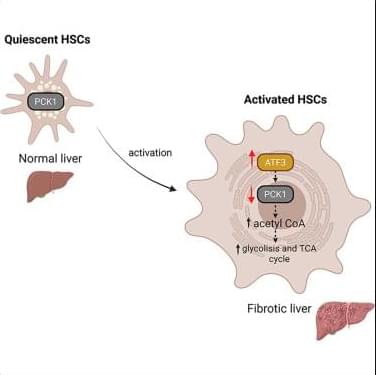
Online now: This study shows that a key metabolic enzyme, PCK1, protects the liver from scarring by keeping fibrogenic cells in a quiescent state. When PCK1 is reduced, these cells undergo metabolic reprogramming characterized by increased glycolysis, become aberrantly activated, and promote liver fibrosis in mice.
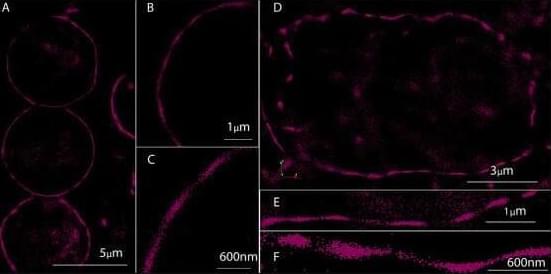
New in JBC press| Scientists examine the effects of conditional knockouts of alpha2 spectrin in postnatal outer hair cells.
asbmbJBC.
Electromotility in mammalian outer hair cells (OHC) is the mechanism underlying cochlear amplification. It is brought about by the piezoelectric-like property of the membrane protein prestin (Slc26a5) that lies in the OHCs lateral plasma membrane. Prestin connects to an underlying cytoskeletal network of circumferential actin filaments that bridge longitudinal spectrin filaments. This network, in turn, lies between the plasma membrane and a closely apposed ER-like tubular array of subsurface cisternae (SSC).



An exploration of various forms matter can take in the universe and how it can go horribly wrong.
My Patreon Page:
https://www.patreon.com/johnmichaelgodier.
My Event Horizon Channel:
https://www.youtube.com/eventhorizonshow.
Music:
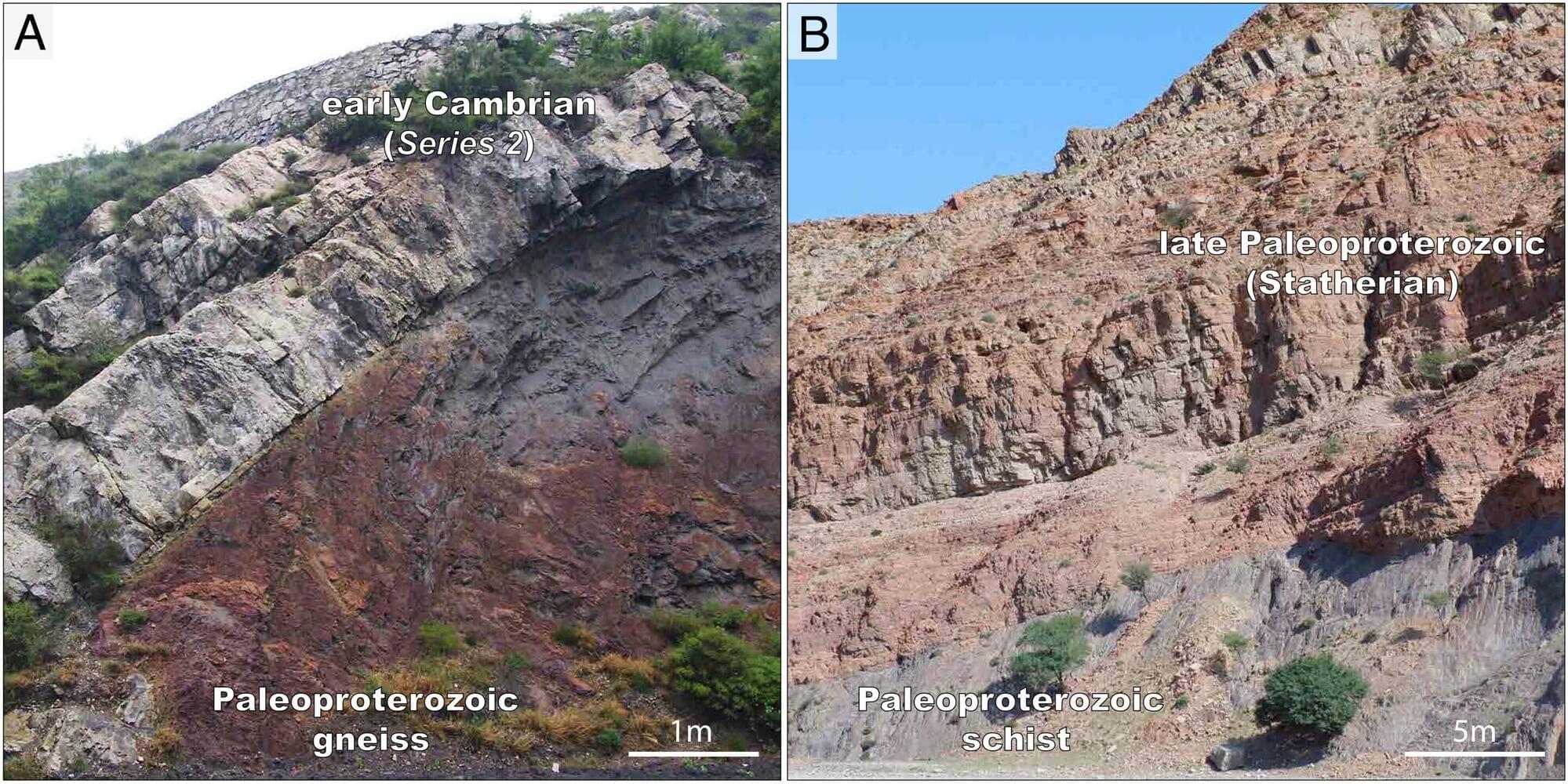
The Great Unconformity is a major gap in Earth’s geologic record. The missing layer between Precambrian and Cambrian rocks represents a gap of around a billion years of history. Among much debate surrounding the cause of the gap, a new study, published in the Proceedings of the National Academy of Sciences, indicates that the timing of the erosion leading to the Great Unconformity aligns with the assembly of the Columbia supercontinent, and that glaciation only contributed minimally.
The origin of the Great Unconformity is debated among geologists. Some believe evidence points to the ancient glaciation associated with “snowball Earth,” which occurred around 700 million years ago, is to blame. Others think tectonic processes associated with Columbia and Rodinia supercontinent cycles are the main cause.
The Great Unconformity was first recognized in the layers of the Grand Canyon, and many subsequent studies took place there to attempt to determine a cause. Those studies showed variable timing and mechanisms. The authors of the new study think that the evidence for Neoproterozoic-period snowball Earth glaciation causing the unconformity at such large scales is weak.