Boston Metal completed its first run of an industrial reactor that uses electricity to make steel.
Category: futurism – Page 124

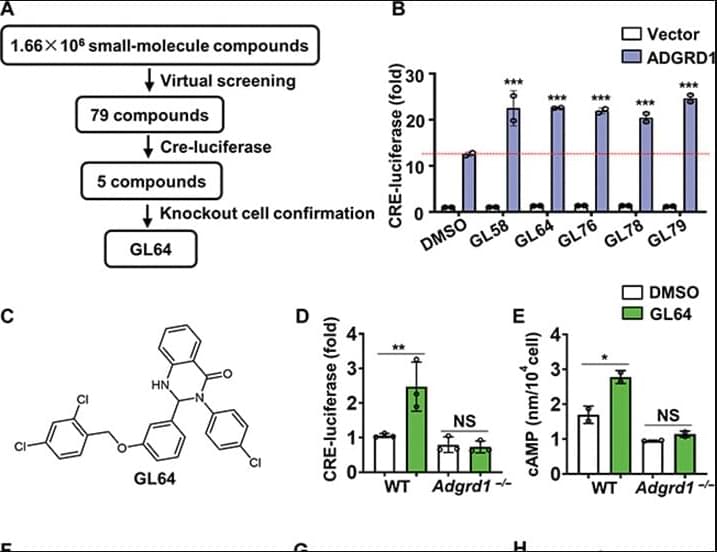
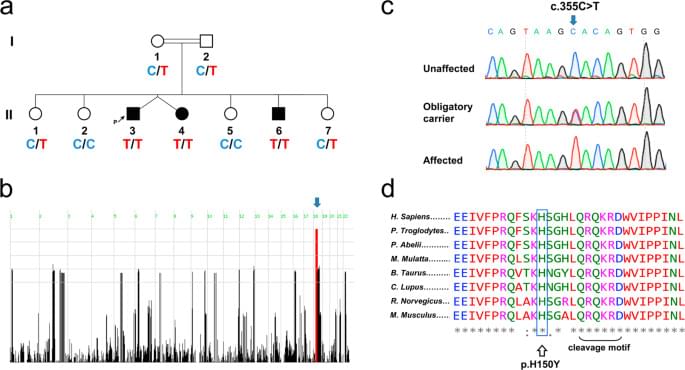
CDH2 mutation affecting N-cadherin function causes attention-deficit hyperactivity disorder in humans and mice
Molecular mechanisms of attention-deficit hyperactivity disorder (ADHD) are not fully understood. Here the authors demonstrate a mutation in CDH2, encoding N-cadherin, that is associated with ADHD, and in a mouse model, delineate molecular electrophysiological characteristics associated with this mutation.
How plants sense heat during the day
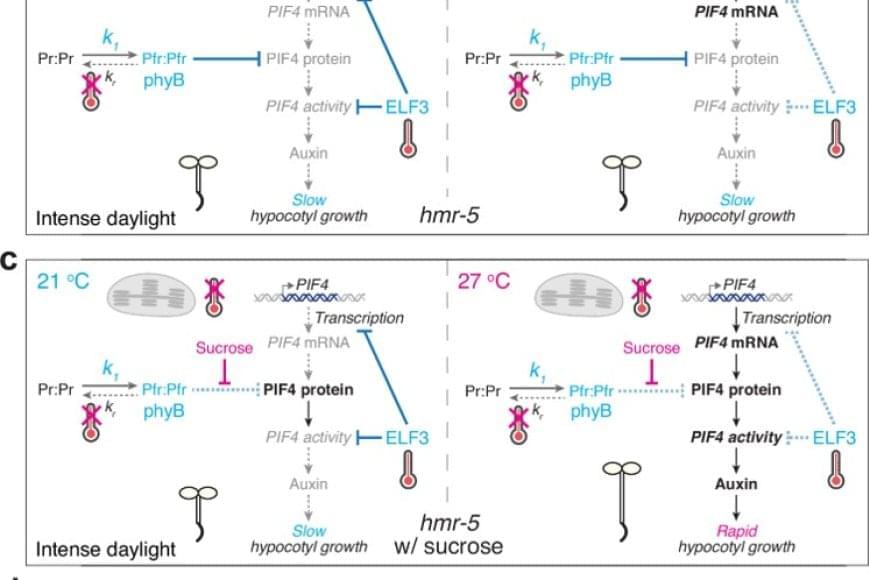
For a decade, scientists have believed that plants sensed temperature mainly through specialized proteins, and mainly at night when the air is cool. New research suggests that during the day, another signal takes over. Sugar, produced in sunlight, helps plants detect heat and decide when to grow.
The study shows that plants rely on multiple heat-sensing systems, and that sugar plays a central and previously unrecognized role in daytime temperature response. The findings, published in Nature Communications, reshape a long-standing view of how plants interact with their environment and could influence future strategies for climate-resilient agriculture.
“Our textbooks say that proteins like phytochrome B and early flowering 3 (ELF3) are the main thermosensors in plants,” the senior author said. “But those models are based on nighttime data. We wanted to know what’s happening during the day, when light and temperature are both high because these are the conditions most plants actually experience.”
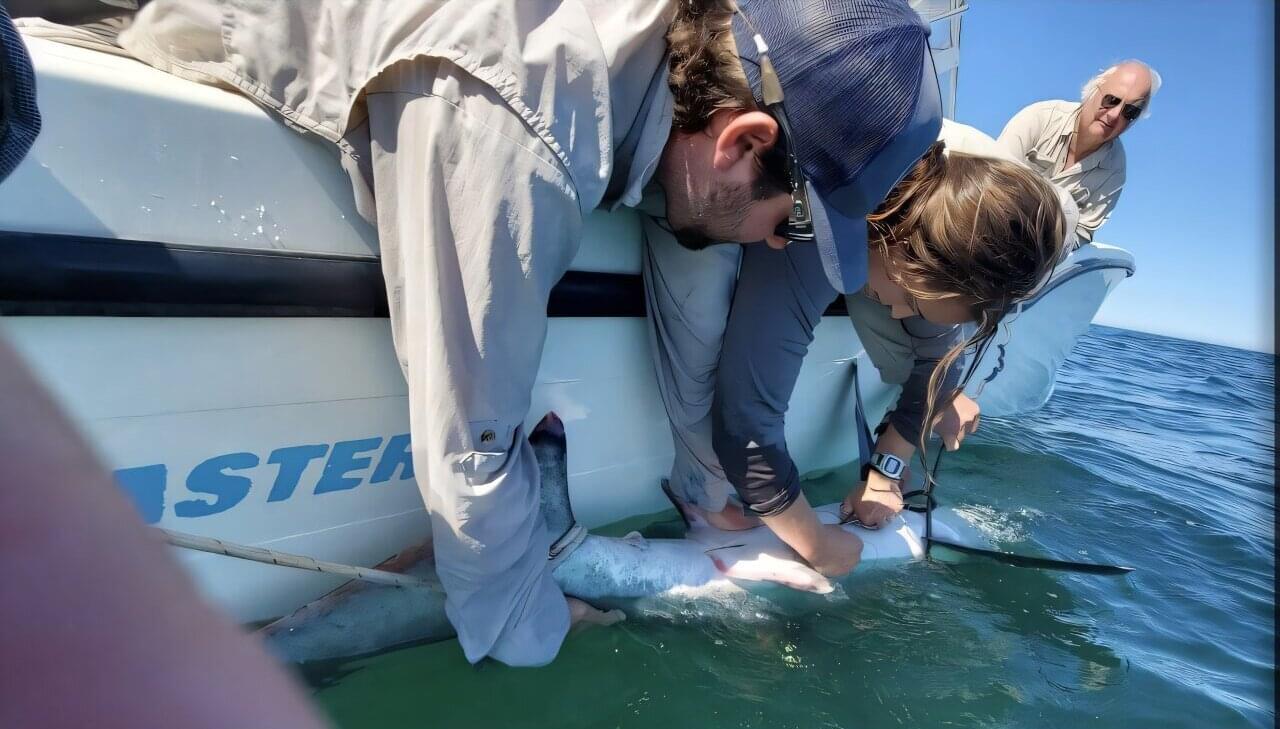
Some sharks in the north Atlantic may delay their fall migrations south
Certain migratory species of sharks may remain swimming and feeding in Atlantic Ocean waters in areas of the northeast coast for longer periods of time later into fall before they head toward southern waters. Led by researchers in the School of Marine and Atmospheric Sciences (SoMAS) at Stony Brook University, the study tracked six shark species over five years by way of tagging them and acoustically tracking their movement.
Grok 4 is really smart… Like REALLY SMART
Matthew Berman
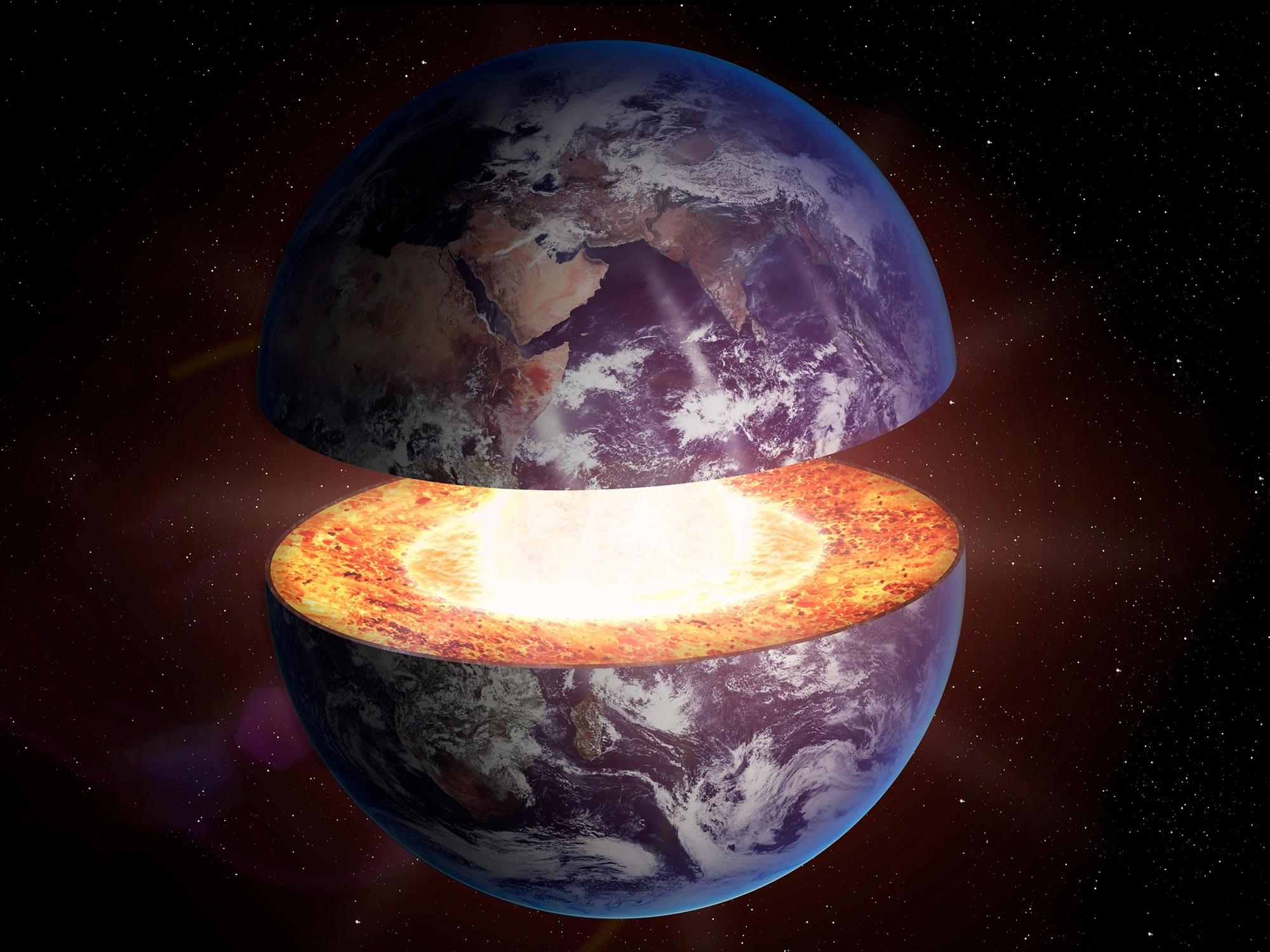
This Mineral Could Hold the Key to Earth’s Hidden Ocean
New research reveals that only the oldest and fastest-sinking oceanic plates can transport water deep into Earth’s mantle, due to the unique heat-transferring properties of the mineral olivine.
Because of the way the mineral olivine conducts heat through radiation, only oceanic tectonic plates that are more than 60 million years old and moving downward at speeds greater than 10 centimeters per year are able to stay cool enough to carry water deep into the Earth’s mantle.
This conclusion comes from a team of researchers at the University of Potsdam and the Helmholtz Centre for Geosciences (GFZ) Potsdam, along with international partners. They reached this finding after measuring how transparent olivine is to infrared light under the extreme pressure and temperature conditions found within the Earth’s mantle. Their study was published in Nature Communications.