Toggle light / dark theme

Light-based listening: Researchers develop a low-cost visual microphone

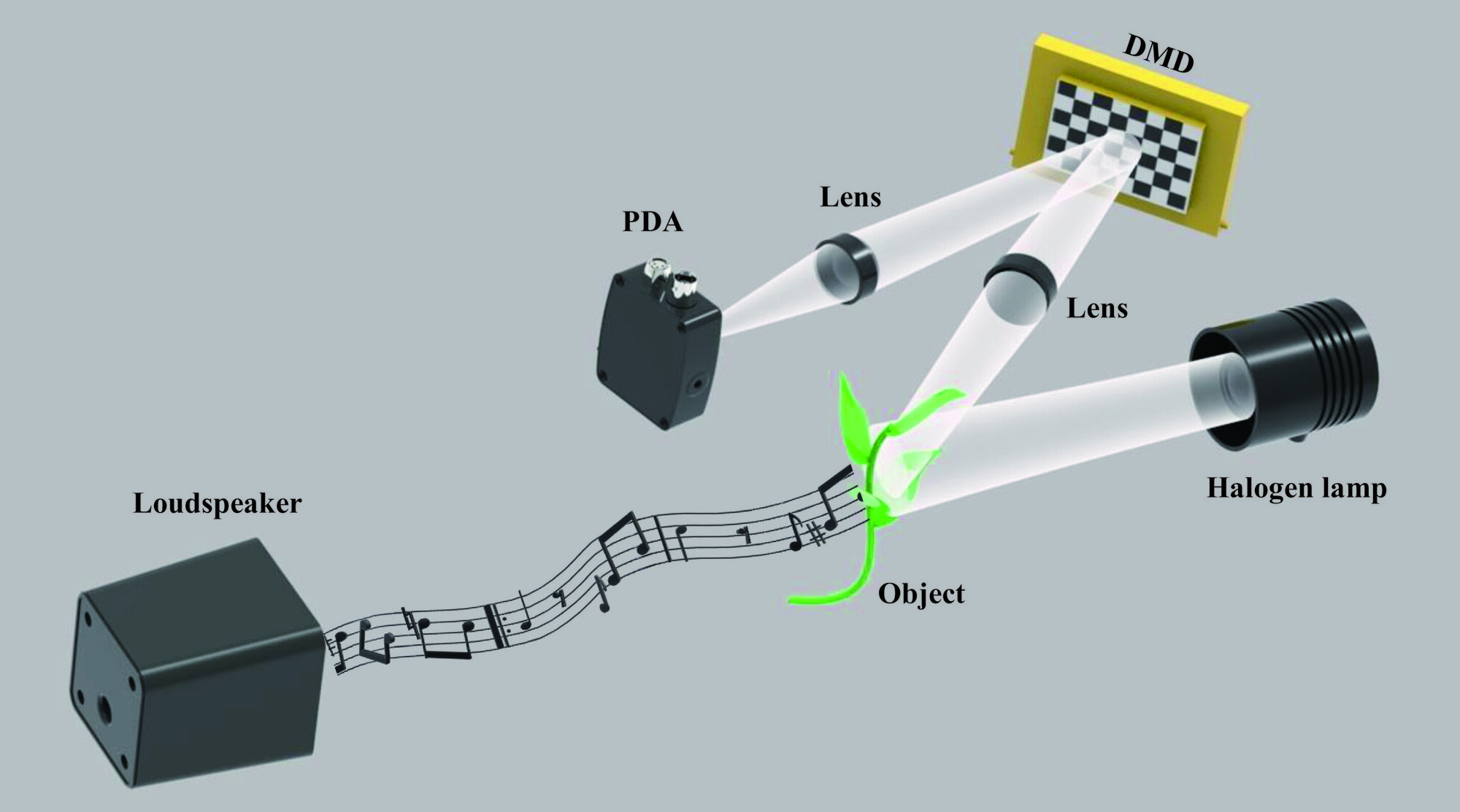
Researchers have created a microphone that listens with light instead of sound. Unlike traditional microphones, this visual microphone captures tiny vibrations on the surfaces of objects caused by sound waves and turns them into audible signals.

“Our method simplifies and reduces the cost of using light to capture sound while also enabling applications in scenarios where traditional microphones are ineffective, such as conversing through a glass window,” said research team leader Xu-Ri Yao from Beijing Institute of Technology in China. “As long as there is a way for light to pass through, sound transmission isn’t necessary.”

In the journal Optics Express, the researchers describe the new approach, which applies single-pixel imaging to sound detection for the first time. Using an optical setup without any expensive components, they demonstrate that the technique can recover sound by using the vibrations on the surfaces of everyday objects such as leaves and pieces of paper.


Cross-country study gathers new insight about the psychology of social class

Understanding the effects of social class on people’s attitudes, thoughts, feelings and behaviors could have valuable implications, as it could help to tailor social and behavioral interventions around the unique psychological characteristics of target populations. Past studies have introduced and tested various theoretical predictions related to the psychology of social class, yielding a wide range of interesting findings.

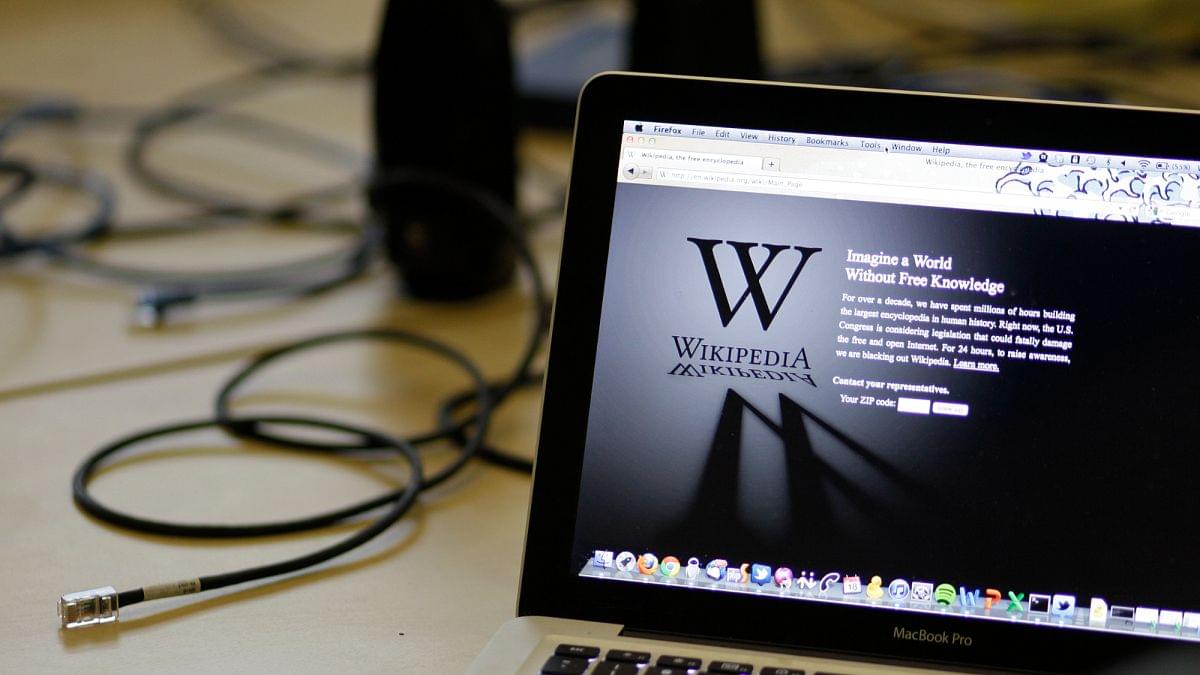
UK online legislation threat to operations, Wikipedia to argue in court

Online encyclopedia Wikipedia will argue this week that the UK’s Online Services Act could impact the safety and privacy of its volunteers.

The foundation behind the crowdsourced information site Wikipedia will argue in British court this week that new legislation threatens its operations.

The Wikimedia Foundation will tell London’s Royal Courts of Justice on July 22nd that the regulations under the UK’s Online Safety Act (OSA) put it at “unacceptable risk” of being subject to Category 1 duties as a “high-risk site”

/* */