|
| |
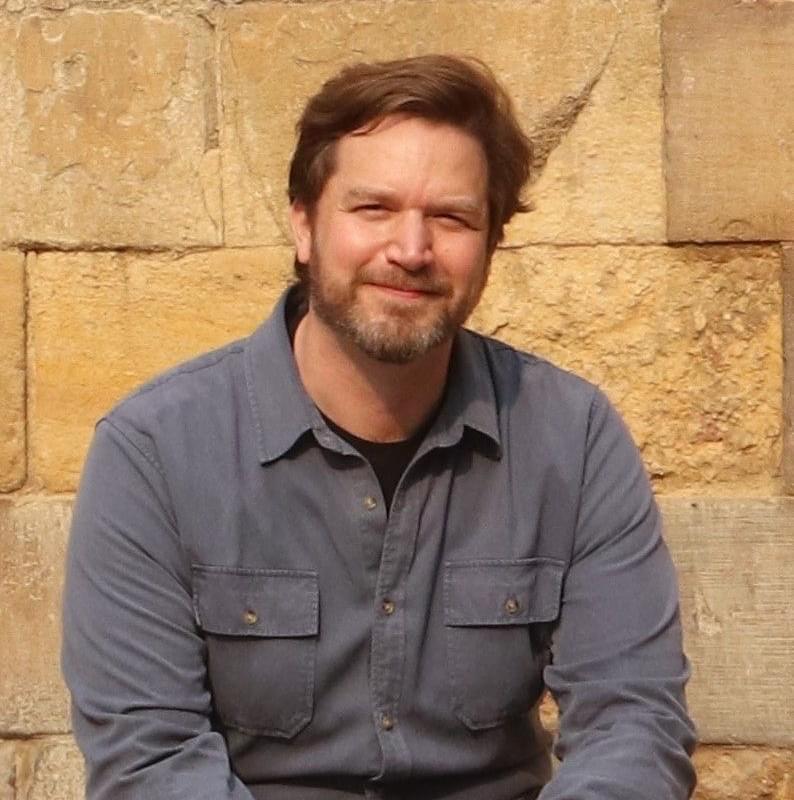
DEVIN FIDLER, MBA
The article
Paradigm Shift Emerging in Economics said:
Neo-classical models have dominated economic thought
over the last half century. This approach has emphasized
human rationality, complex mathematical modeling,
laissez faire policies, and long-term equilibrium.
Initially embraced in response to the issues of
industrialization, this approach has shown itself to be
the best available alternative for predicting and dealing
with the challenges of modern societies. However, there
are signs that these ideas are poised for reevaluation in
the light of this century's challenges.
A new cohort of economists and competition theorists
are questioning many of the fundamental theoretical and
empirical assumptions of this model. Simultaneously,
real-world applications of strict neo-classical concepts
have consistently met with ambiguous results. Finally,
organizations and governments now face the emergence
of global environmental and social issues that simply do
not fit well into the current model. At this point, further
innovations are clearly called for.
Based on the combined weight of these trends, the
Institute for Alternative Futures is now forecasting a
game-changing paradigm shift in both academic and
applied economic frameworks over the course of the
next generation. Such a shift will have a substantial
impact on many areas including regulatory framing,
business strategy and development assistance.
Devin Fidler, MBA was the author of this article and is
Futurist/Project Manager at the
Institute for Alternative Futures.
As a Futurist at the Institute for Alternative Futures, Devin is
interested in organizational strategies and how these play out over
time.
In the past, he has worked with a number of organizations to better
understand the future strategic implications of such diverse issues as
demographic shift, the expansion of the European Union, changes in
disability law, employee benefit trends and shifts in national economic
outlook.
Devin earned his MBA with a specialization in International
Business and Finance from Corvinus University in Budapest and while
studying the large organizational transformations shaping Eastern Europe
first hand, he developed a unique perspective on change that continues
to inform his work. Additionally, he has studied at the Institut des
Hautes Etudes Economiques et Commerciales in Paris and holds a BA in
History from the University of Colorado. He has prior experience working
in the Statistics and Research Center of the U.S. Chamber of Commerce
and as an analyst for The Royal Bank of Scotland.
Devin has argued that the initial conceptualization of a strategy is
generally the greatest opportunity for large gains and the most
overlooked. As a futurist, he sees his primary role as working with
organizations to provoke the innovative strategic thinking necessary to
create their preferred future.
Print bio!
|
|