Toggle light / dark theme

Peppermint oil plasma coating could cut catheter infections without releasing drugs

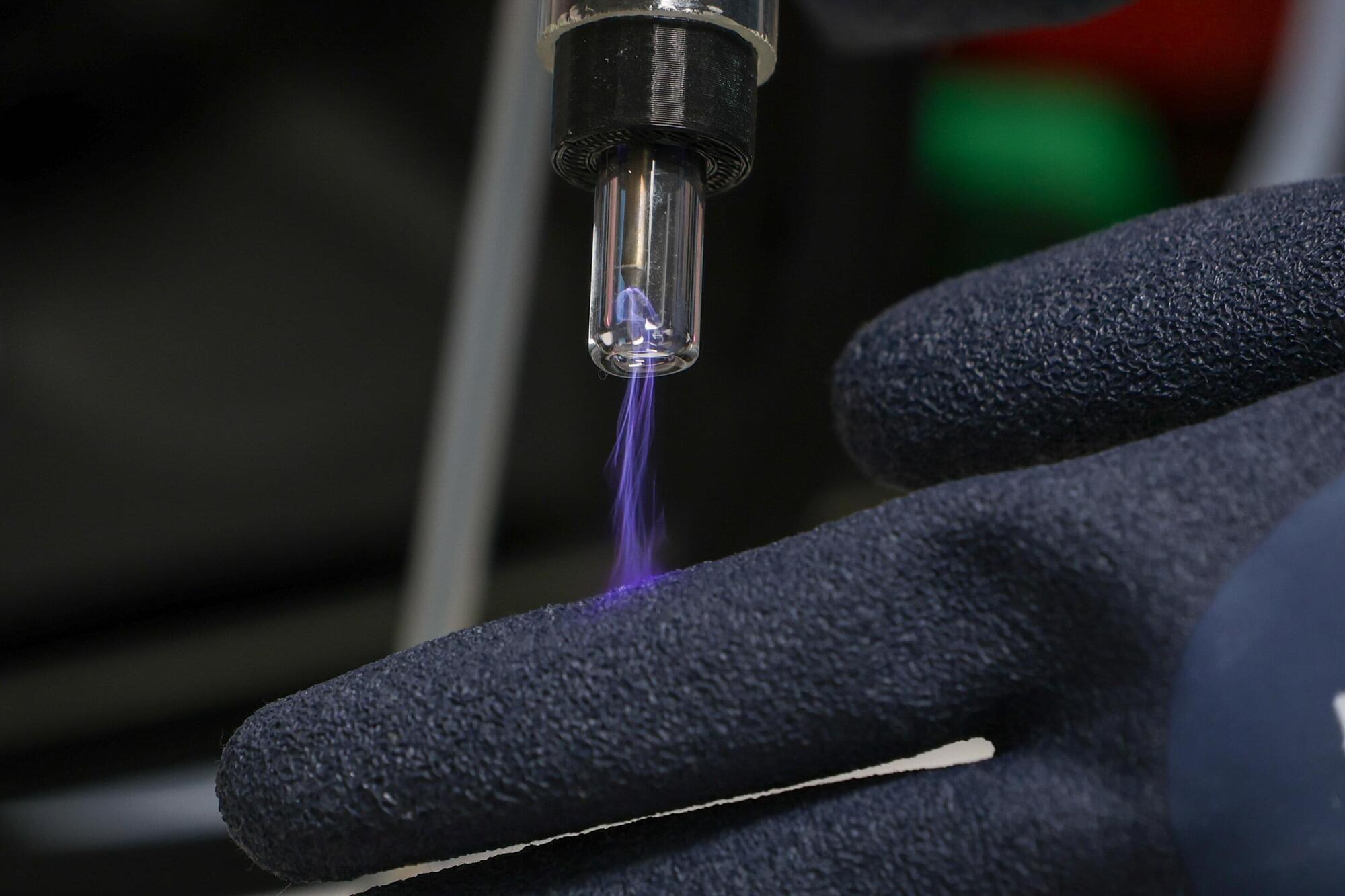
Australian researchers have developed a high‑performance coating made from peppermint essential oil that can be applied to the surfaces of many commonly used medical devices, offering a safer way to protect patients from infection and inflammation.

Matthew Flinders Professor and senior author of the new study, Professor Krasimir Vasilev, says the idea emerged after noticing that eating peppermint leaves from his drink significantly relieved his sore throat, inspiring him to explore whether its bioactivity could be converted into a durable coating using plasma technology—something he has been researching for more than two decades.

The team from Flinders’s Biomedical Nanoengineering Laboratory—including Professor Vasilev (Director), Associate Professor Vi‑Khanh Truong, Dr. Andrew Hayes, and Ph.D. candidates Trong Quan Luu and Tuyet Pham—created a nanoscale peppermint‑oil coating that protects against infection, inflammation and oxidative stress, while remaining compatible with human tissue and suitable for medical materials.
Electron-phonon ‘surfing’ could help stabilize quantum hardware, nanowire tests suggest

That low-frequency fuzz that can bedevil cellphone calls has to do with how electrons move through and interact in materials at the smallest scale. The electronic flicker noise is often caused by interruptions in the flow of electrons by various scattering processes in the metals that conduct them.

The same sort of noise hampers the detecting powers of advanced sensors. It also creates hurdles for the development of quantum computers—devices expected to yield unbreakable cybersecurity, process large-scale calculations and simulate nature in ways that are currently impossible.

A much quieter, brighter future may be on the way for these technologies, thanks to a new study led by UCLA. The research team demonstrated prototype devices that, above a certain voltage, conducted electricity with lower noise than the normal flow of electrons.

Platinum nanostructure sensor can differentiate mirror-image volatile scent compounds

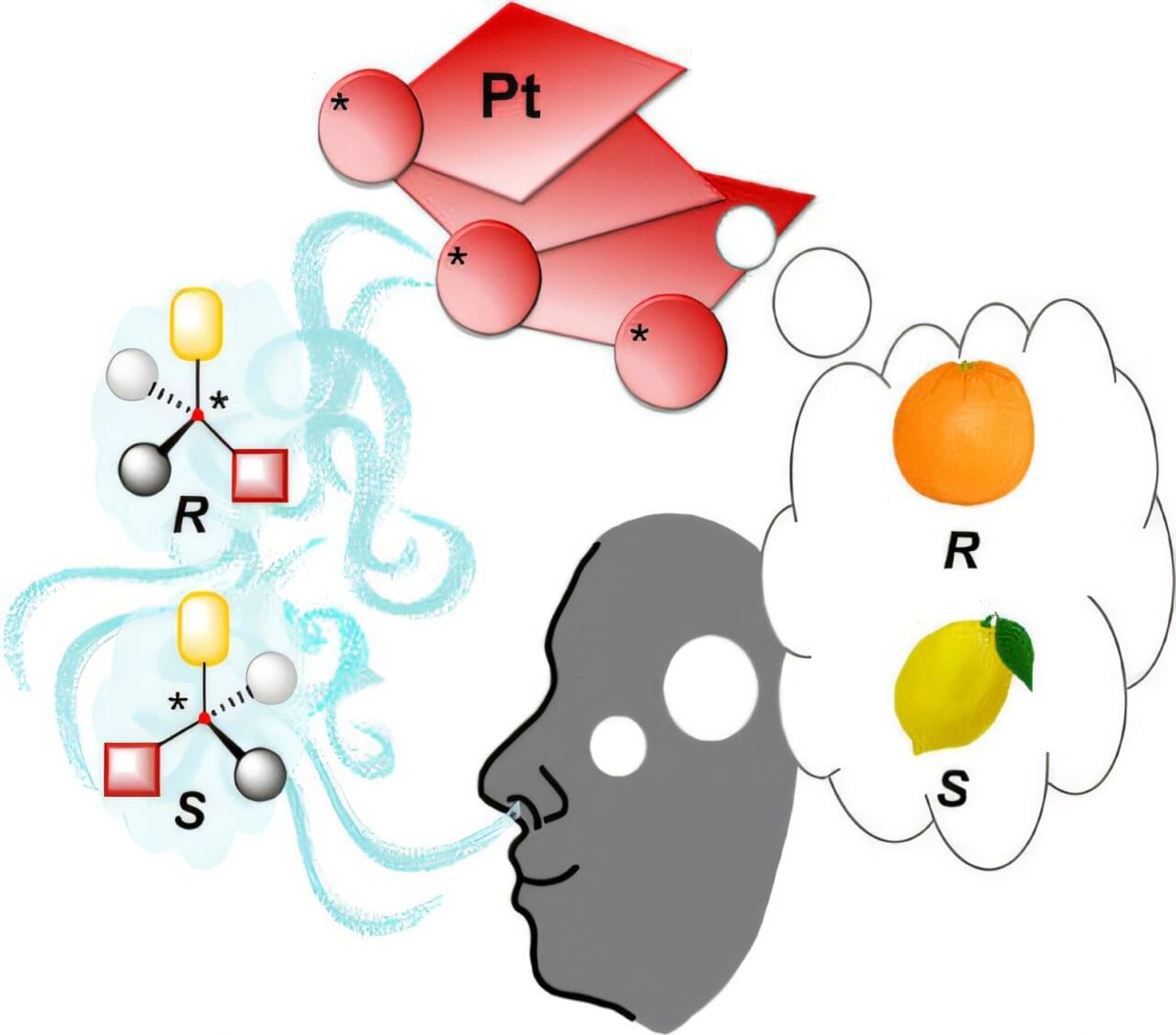
Terpenes are volatile organic compounds that are responsible for, among other things, the typical scents of plants, resins or citrus fruits. These compounds occur naturally in the environment and influence chemical processes in the atmosphere. At high concentrations, they can irritate the respiratory tract and contribute to the formation of harmful derivatives. Many terpenes exist in two mirror-image forms, known as enantiomers, which can differ significantly in terms of their effects and how they are perceived—but which are difficult to distinguish between using technical means.

Now, researchers from the Department of Chemistry at the University of Basel have presented a new approach that allows these mirror-image forms of the molecules to be detected specifically.

“Our work focused on a specially developed platinum-based molecule that works as a sensor,” explains Dr. Annika Huber, first author of the study and a former doctoral student at the Swiss Nanoscience Institute’s Ph.D. School. “This sensor molecule has a fixed, three-dimensional shape and aggregates with a large number of identical molecules to form tiny stack-like nanostructures that react differently to the two mirror-image forms of the terpenes.”

Niobium’s superconducting switch cuts near-field radiative heat transfer 20-fold

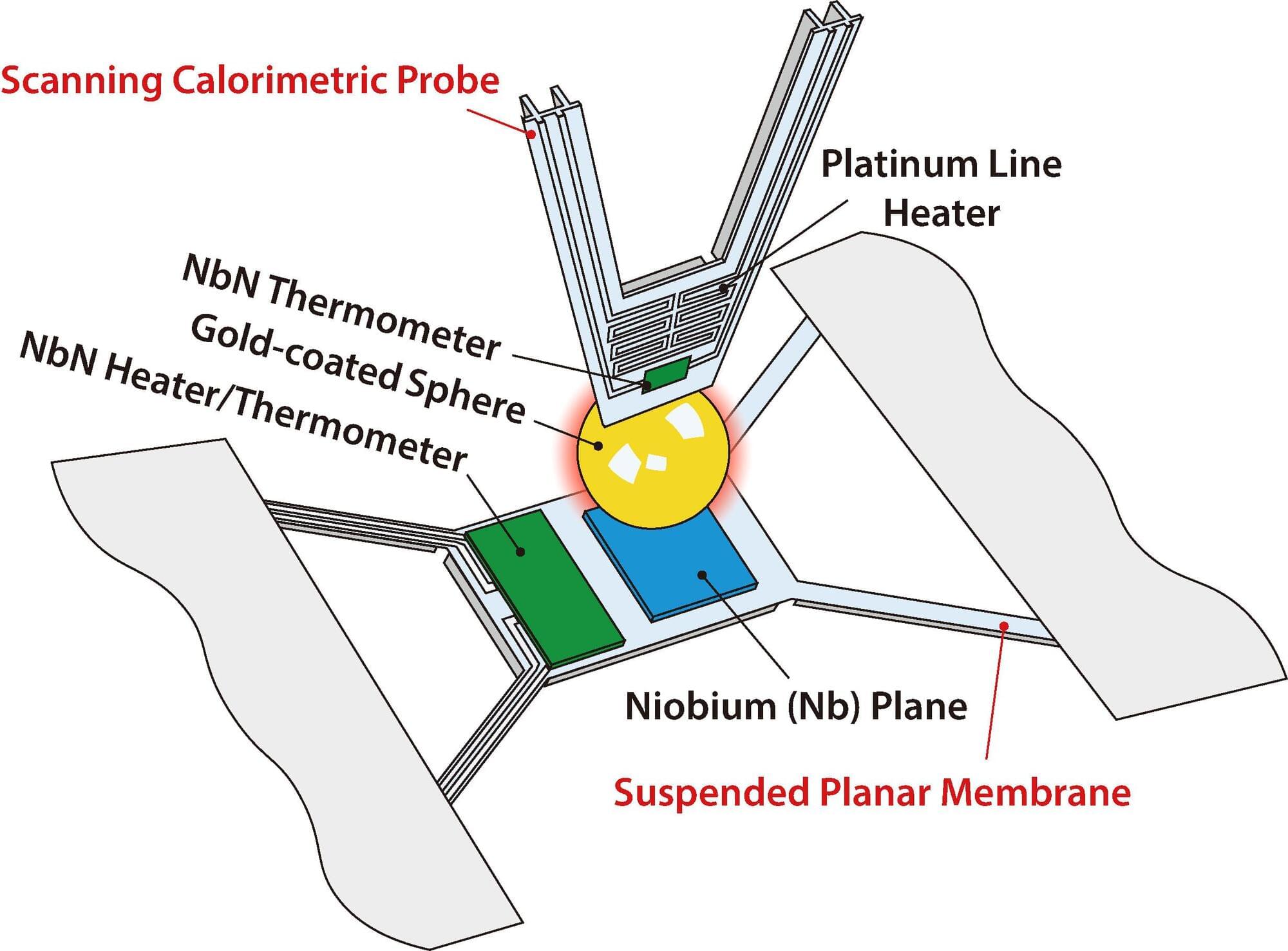
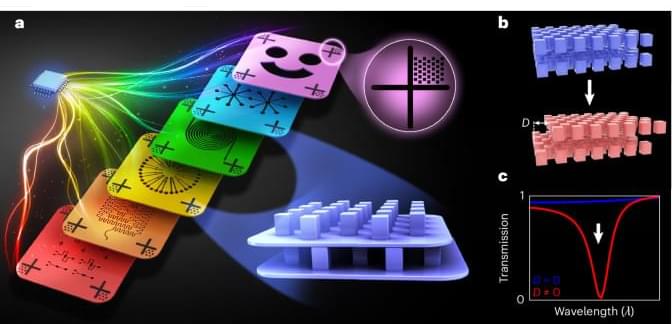
When cooled to its superconducting state, niobium blocks the radiative flow of heat 20 times better than when in its metallic state, according to a study led by a University of Michigan Engineering team. The experiment marks the first use of superconductivity—a quantum property characterized by zero electrical resistance—to control thermal radiation at the nanoscale.

Leveraging this effect, the researchers also experimentally demonstrated a cryogenic thermal diode that rectifies the flow of heat (i.e., the heat flow exhibits a directional preference) by as much as 70%.

“This work is exciting because it experimentally shows, for the very first time, how nanoscale heat transfer can be tuned by superconductors with potential applications for quantum computing,” said Pramod Sangi Reddy, a professor of mechanical engineering and materials science and engineering at U-M and co-corresponding author of the study published in Nature Nanotechnology.

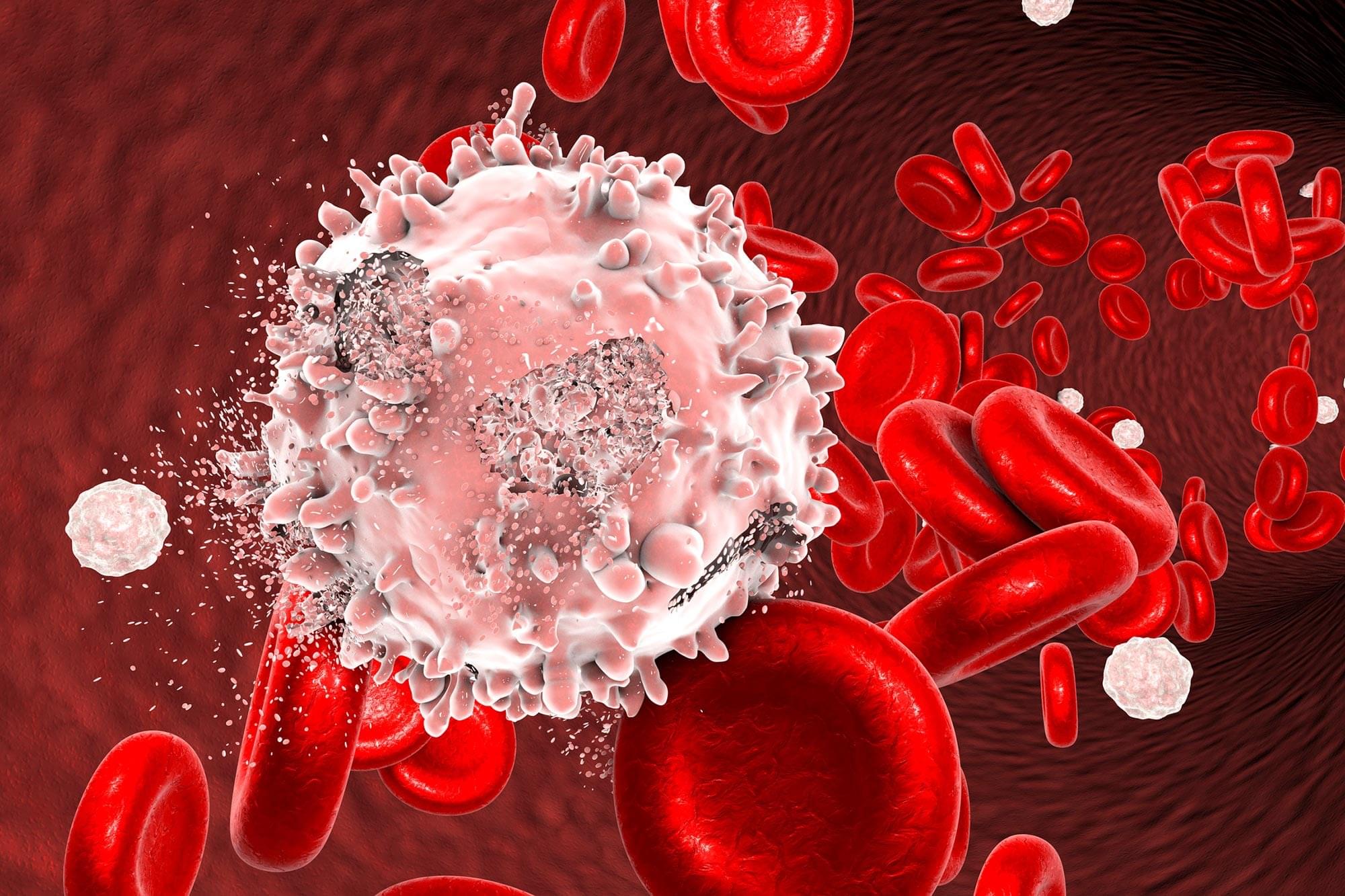
Engineering immunotherapy from within

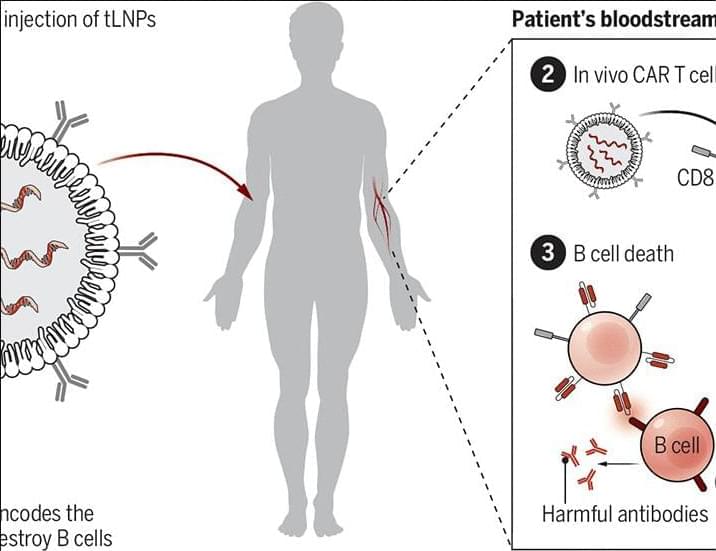
In Science last year, researchers presented a method to safely and preferentially generate CAR T cells directly inside the body using targeted lipid nanoparticles that deliver mRNA directly to T cells.

The approach showed rapid and sustained immune reprogramming in preclinical models, highlighting its promise for treating cancer and autoimmune diseases.

Learn more on WorldCancerDay.


Lipid nanoparticles are designed to generate therapeutic T cells inside living animal models.

Vivek Peche and Stephen Gottschalk Authors Info & Affiliations

Science

Two-step approach creates more sustainable protein nanostructures for advanced sensing and therapeutics

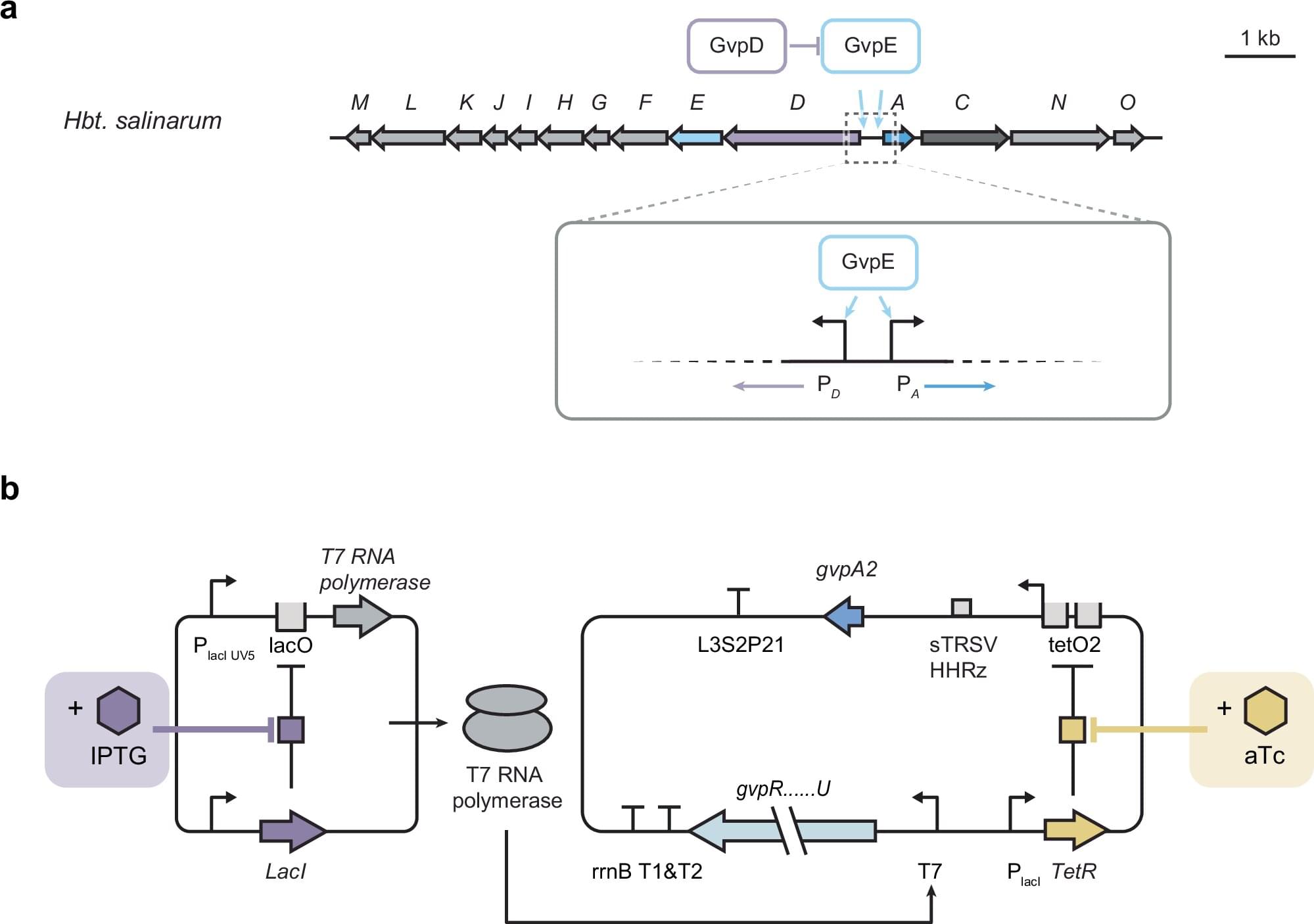
Gas vesicles are among the largest known protein nanostructures produced and assembled inside microbial cells. These hollow, air-filled cylindrical nanostructures found in certain aquatic microbes have drawn increasing interest from scientists due to their potential for practical applications, including as part of novel diagnostic and therapeutic tools. However, producing gas vesicles is a difficult task for cells in the lab, hindering the development of applications.

In a study recently published in Nature Communications, a team of researchers led by Rice University bioengineer George Lu reports the development of a new genetic regulatory system to improve cell viability during the production of gas vesicles.

“In the past few years, studies have shown that gas vesicles’ ability to reflect sound makes them useful as unique and versatile acoustic reporter systems for biomedical research and clinical applications,” said Lu, an assistant professor in the Department of Bioengineering at Rice’s George R. Brown School of Engineering and Computing.

MIT Engineers Design Nanoparticles That Stimulate the Immune System to Attack Cancer Tumors

A Boost for Cancer Immunotherapy One promising strategy to treat cancer is stimulating the body’s own immune system to attack tumors. However, tumors are very good at suppressing the immune system, so these types of treatments don’t work for all patients. MIT engineers have now come up with a wa

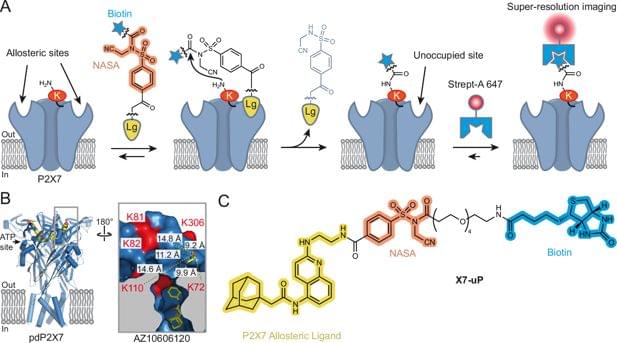
Affinity-guided labeling reveals P2X7 nanoscale membrane redistribution during BV2 microglial activation

A new chemical labelling tool lets researchers watch the inflammatory receptor P2X7 reorganise and cluster on immune cells at the nanoscale, revealing how inflammatory signals reshape receptor behaviour in real time.


An affinity-guided chemical strategy enabling highly specific biotinylation of P2X7 receptors reveals, by super-resolution microscopy, how the nanoscale organization of endogenous P2X7 in BV2 microglial cells dynamically changes upon activation.

/* */