Toggle light / dark theme

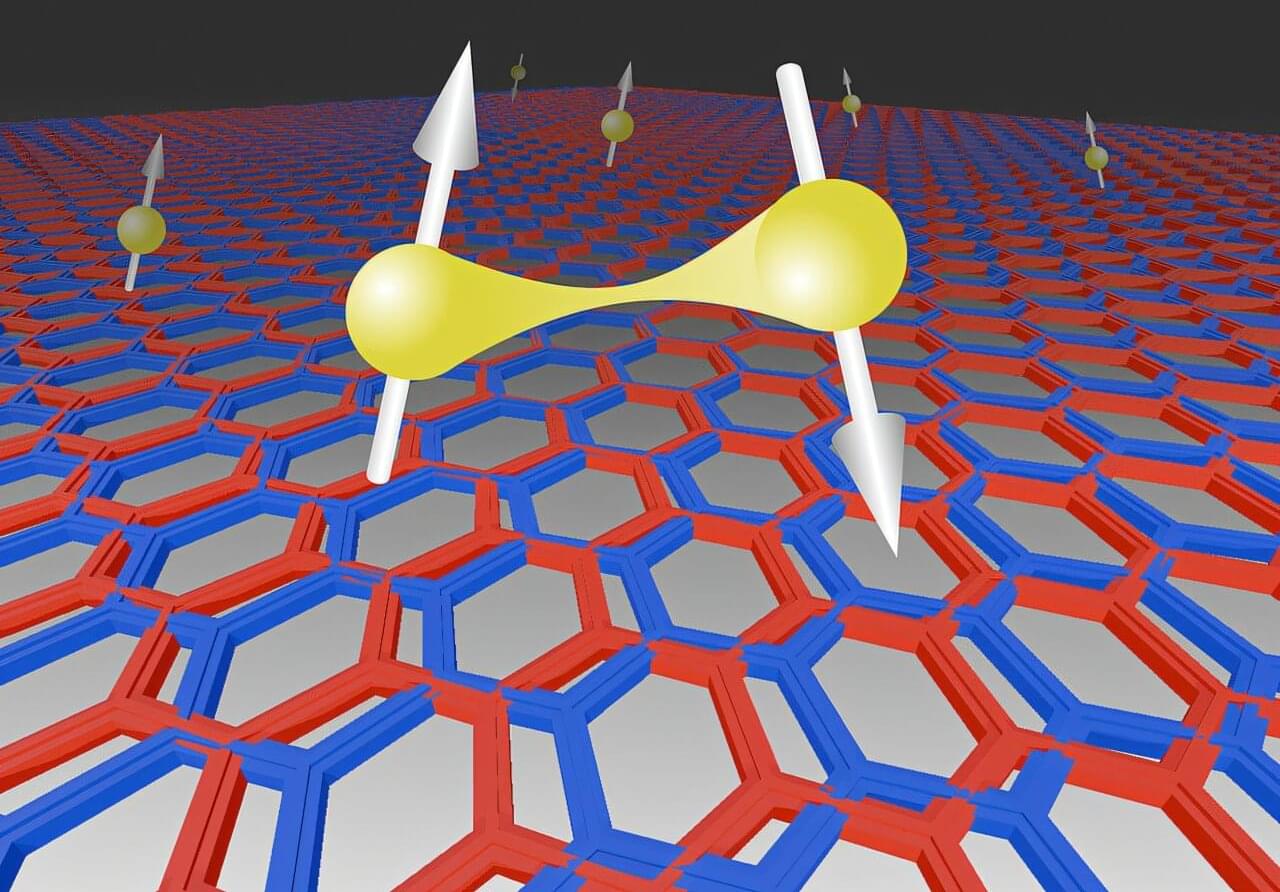
Quantum Twins simulator unveils 15,000 controllable quantum dots for materials research

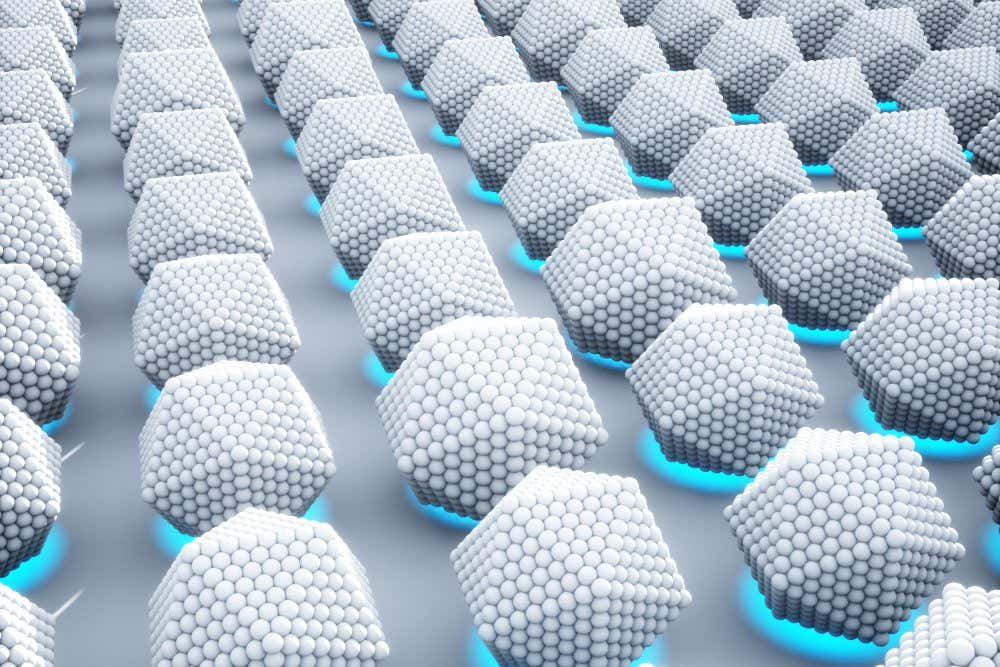
Researchers in Australia have unveiled the largest quantum simulation platform built to date, opening a new route to exploring the complex behavior of quantum materials at unprecedented scales.

Reporting in Nature, a team led by Michelle Simmons at the University of New South Wales (UNSW) Sydney has demonstrated a platform they call “Quantum Twins”: a two-dimensional array of around 15,000 individually controllable quantum dots. The researchers say the system could soon be used to simulate a wide range of exotic quantum effects that emerge in large, strongly correlated materials.

As quantum technologies advance, it is becoming increasingly important to understand how advanced quantum materials behave under different conditions.
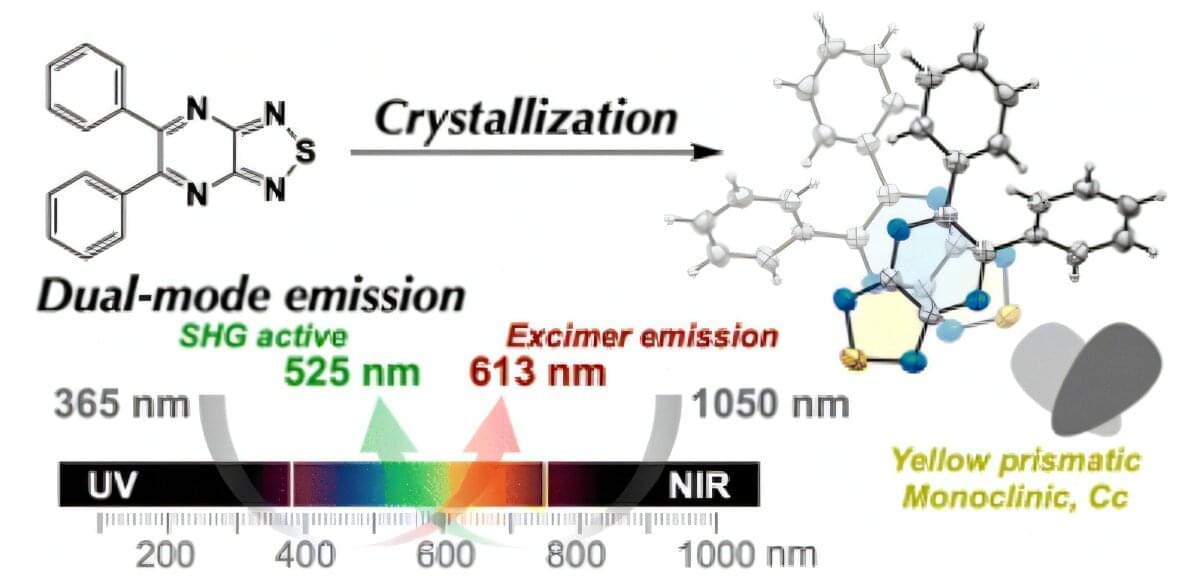
Researchers demonstrate organic crystal emitting red light from UV and green from near-infrared

Invisible light beyond the range of human vision plays a vital role in communication technologies, medical diagnostics, and optical sensing. Ultraviolet and near-infrared wavelengths are routinely used in these fields, yet detecting them directly often requires complex instrumentation.

Developing materials that can convert invisible light into visible signals could serve as essential components for measurement technologies and sensors, and play a major role in understanding the fundamental photophysical processes. However, developing those materials remains a key challenge in photonics and materials science.

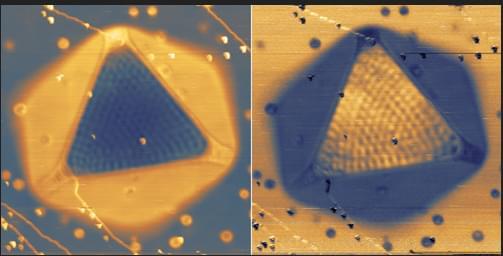
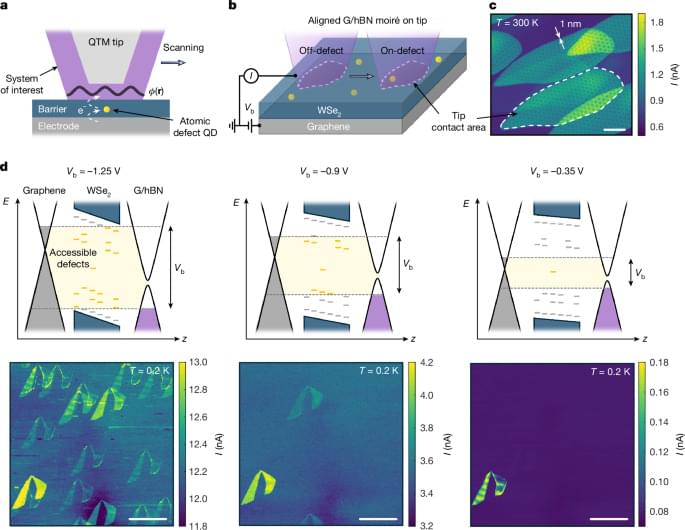
How superconductivity arises: New insights from moiré materials

How exactly unconventional superconductivity arises is one of the central questions of modern solid-state physics. A new study published in the journal Nature provides crucial insights into this question. For the first time, an international research team was able to demonstrate a direct microscopic connection between a strongly correlated normal state and superconductivity in so-called moiré materials. In the long term, these findings could contribute to the development of new quantum materials and superconductors for future quantum technologies.

Professor Giorgio Sangiovanni from the Institute of Theoretical Physics and Astrophysics at Julius-Maximilians-Universität Würzburg (JMU) was involved in the study. His research is part of the Cluster of Excellence ctd.qmat—Complexity, Topology and Dynamics in Quantum Matter—at JMU and the Technical University of Dresden.

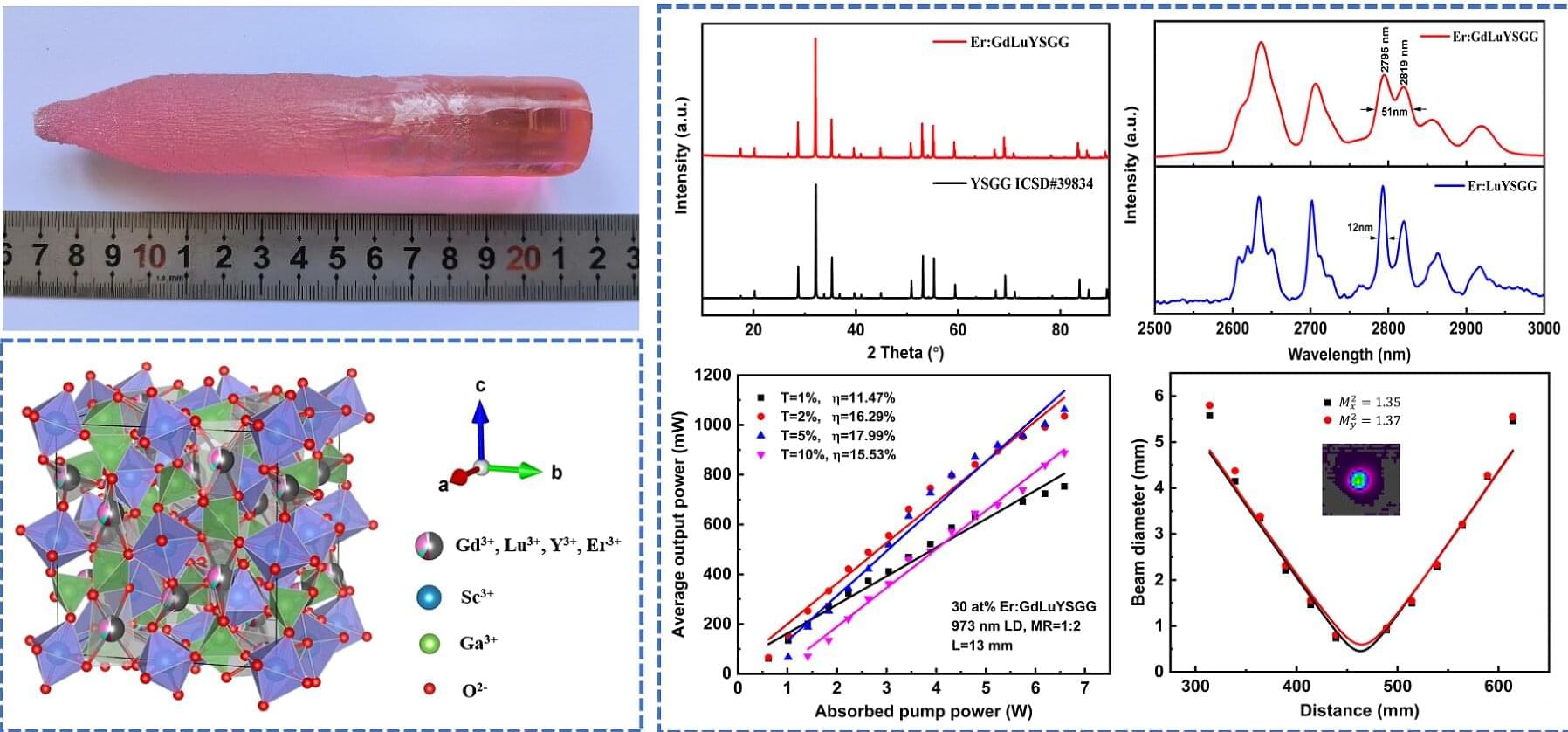
High-entropy garnet crystal enables enhanced 2.8 μm mid-infrared laser performance

Recently, a research team from the Hefei Institutes of Physical Science of the Chinese Academy of Sciences successfully grew a high-entropy garnet-structured oxide crystal and achieved enhanced laser performance at the 2.8 μm wavelength band. By introducing a high-entropy design into a garnet crystal system, the team obtained a wide emission band near 2.8 μm and continuous-wave laser output with improved average power and beam quality, demonstrating the material’s strong potential as a high-performance gain medium for mid-infrared ultrashort-pulse lasers.

The results are published in Crystal Growth & Design.

Mid-infrared ultrashort-pulse lasers around 2.8 μm are of great interest for applications such as space communication and planetary exploration. However, existing laser crystals operating in this wavelength range often suffer from narrow emission bandwidths, low efficiency, or insufficient radiation resistance, making it difficult to meet the demands of efficient and stable laser operation in harsh space radiation environments.

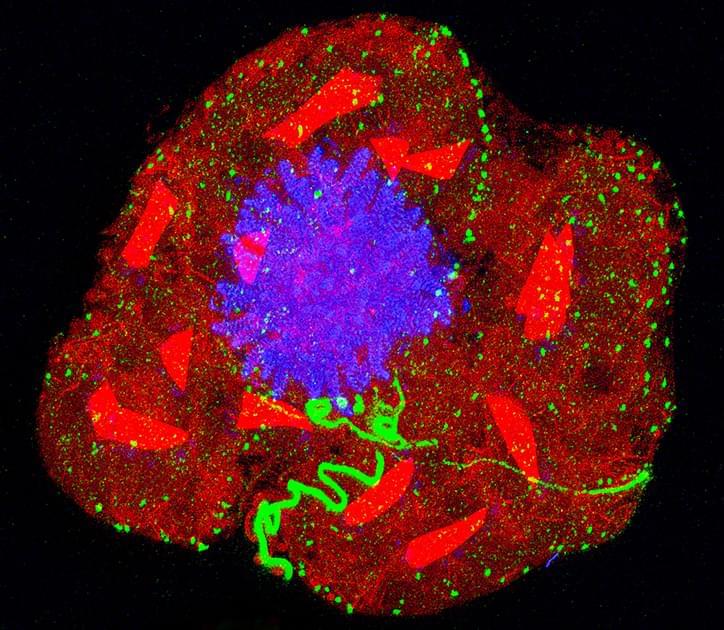
Expansion Microscopy Has Transformed How We See the Cellular World

Expansion microscopy is possible for any lab with a basic microscope. Specific biomolecules such as proteins are anchored to a hydrogel. As the gel absorbs added water, it swells and the space between the anchor points dilates. This allows researchers to visualize extra-tiny anatomy or see inside cells with tough barriers.


How physically magnifying objects using a key ingredient in diapers has opened an unprecedented view of the microbial world.

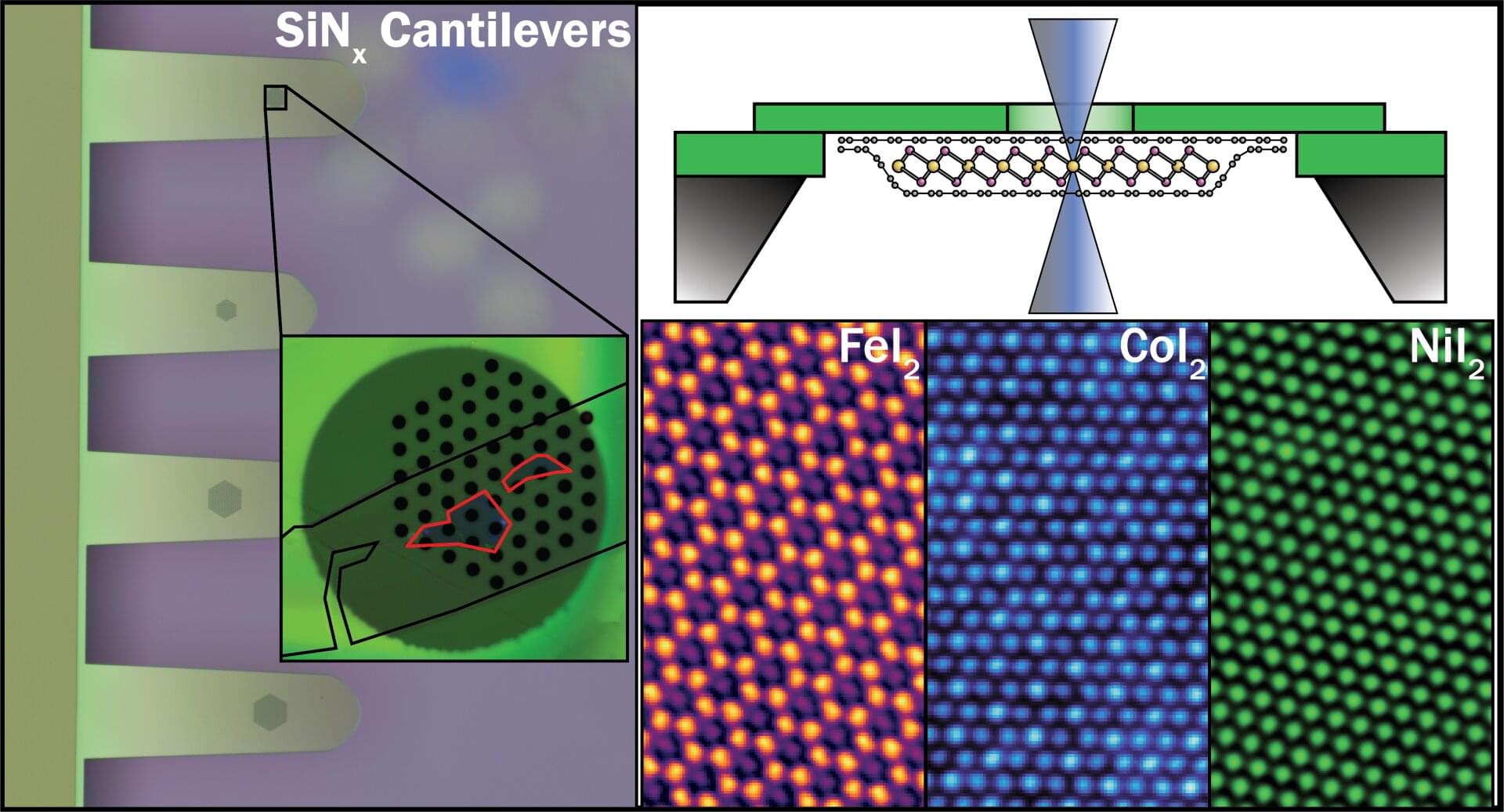
Graphene sealing enables first atomic images of monolayer transition metal diiodides

Two-dimensional (2D) materials promise revolutionary advances in electronics and photonics, but many of the most interesting candidates degrade within seconds of air exposure, making them nearly impossible to study or integrate into real-world technology. Transition metal dihalides represent a particularly compelling yet challenging class of materials, with predicted properties ideal for next-generation devices, but their extreme reactivity when exposed to air prevents even basic structural characterization.

Researchers at The University of Manchester’s National Graphene Institute have now achieved the first atomic-resolution imaging of monolayer transition metal diiodides, made possible by creating graphene-sealed TEM samples that prevent these highly reactive materials from degrading on contact with air.

The study, published in ACS Nano, demonstrates that fully encapsulating the crystals in graphene preserves atomically clean interfaces and extends their usable lifetime from seconds to months.

Magnetism brings structure to a long-mysterious electronic state

Physicists have uncovered surprising order inside one of the most puzzling states in modern materials science. It is a strange middle ground where electrons begin to behave differently, but full superconductivity has not yet taken hold.

Instead of falling into disorder, the system retains coordinated patterns right at the point where normal electrical behavior starts to break down. The finding suggests this transition is guided by an underlying structure, not randomness.

/* */