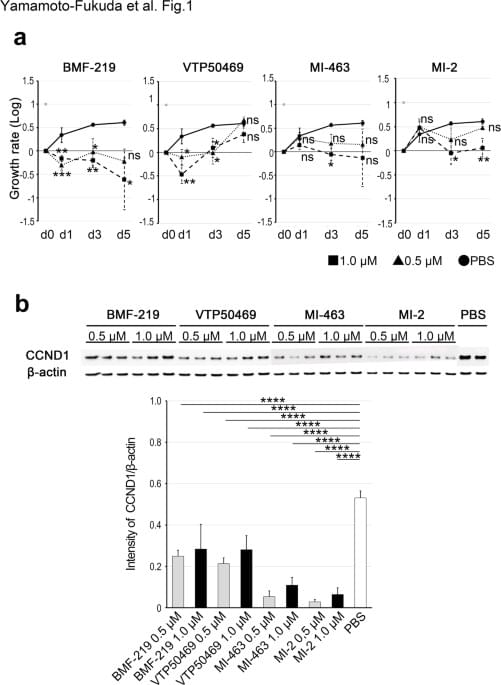
Scientific Reports — Menin-MLL inhibitors as a new therapeutic target for middle ear cholesteatoma. Otol. Neurotol. 44273–280 (2023).
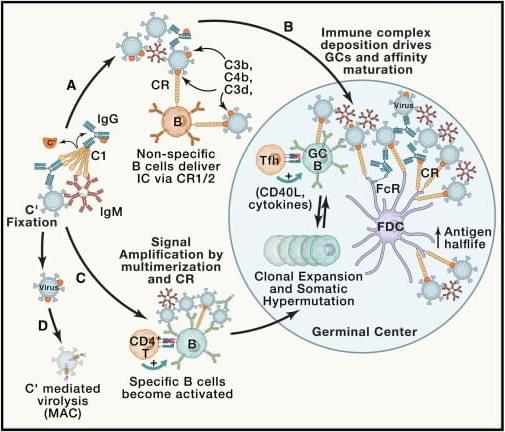
Antibodies modulate ongoing and future B cell responses. Cyster and Wilson review the various mechanisms whereby antibody feedback shapes B cell responses and present a framework for conceptualizing the ways antigen-specific antibody may influence immunity in conditions as diverse as infectious disease, autoimmunity, and cancer.
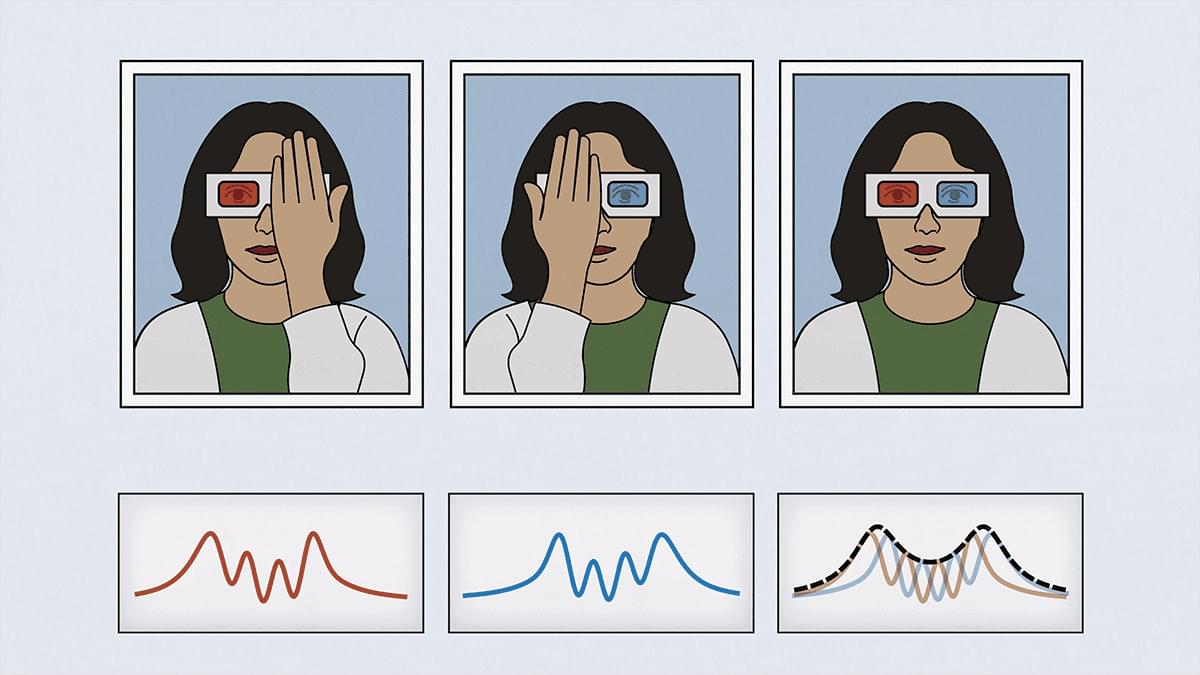

In this talk from the CSCSC 25 Conference on Complex Systems and Contemplative Studies, Dr. Michael Levin asks a question with deep resonance for both science and contemplative practice:

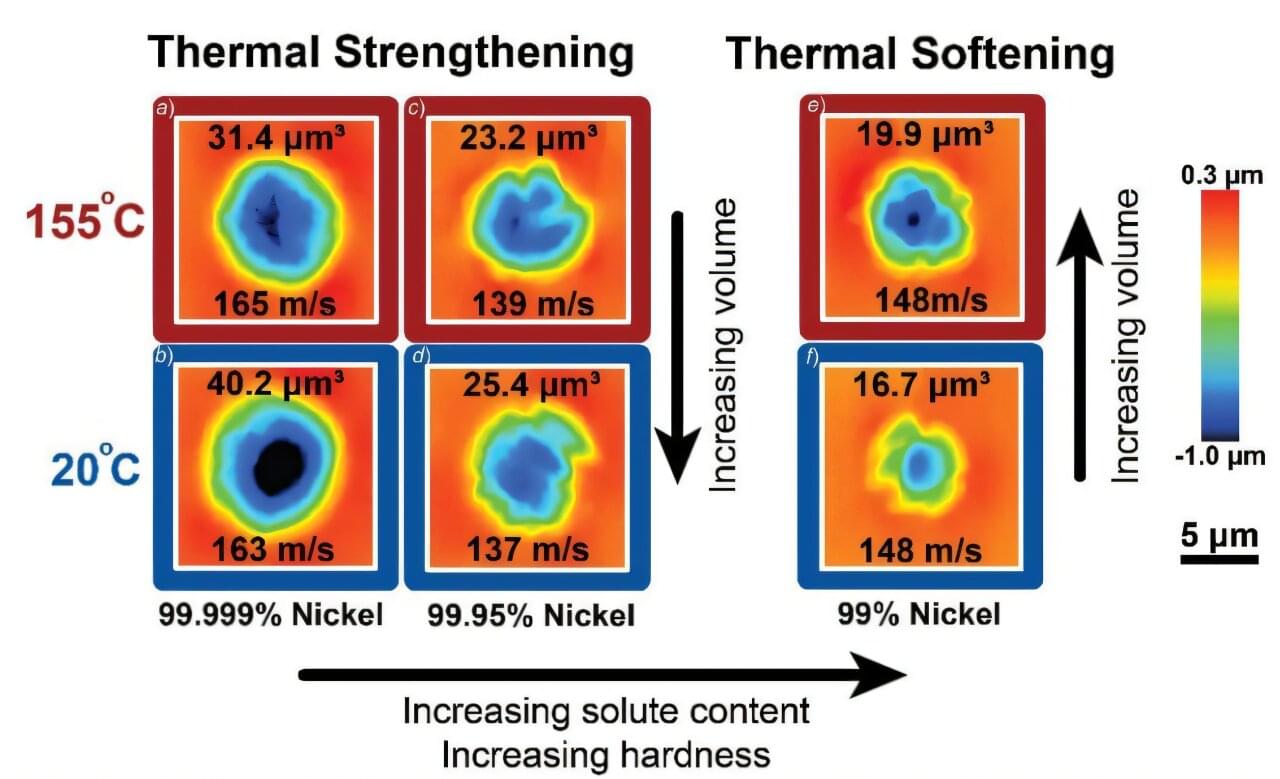
There’s a reason why blacksmiths fire metals before hammering them. Heat always softens metal, making it more malleable and easier to reshape. Or does it? In a surprising new study, Northwestern University engineers discovered that, in extreme conditions, heat doesn’t soften pure metals—it strengthens them.
Not only does this new finding challenge long-held assumptions of how metals behave, it also could provide new insights for designing metals for futuristic applications in extreme conditions, such as hypersonic flight, extraterrestrial construction and advanced manufacturing.
The study will be published Tuesday (Feb. 17) in Physical Review Letters.


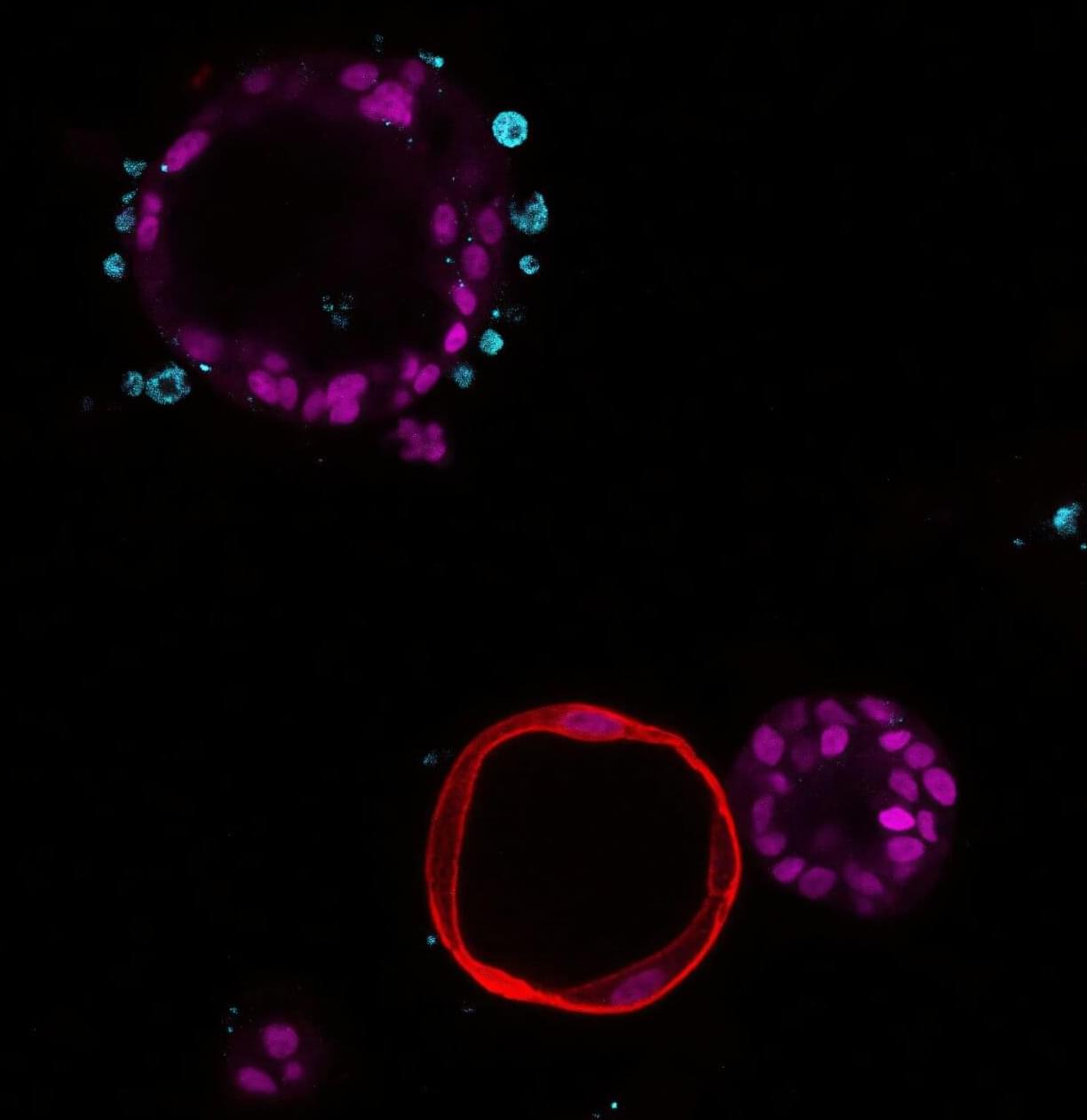
Even before a tumor in the pancreas becomes discernible, an activated cancer gene actively remodels its future environment and creates an inflammatory and immune-defensive microenvironment in which the carcinoma can grow. This has been shown by an international research team led by Ulm University in a pioneering study. The scientists’ study opens up new possibilities for developing personalized intervention strategies—before a difficult-to-treat tumor even develops.
It is one of the most aggressive forms of cancer: Pancreatic cancer is usually diagnosed late because it initially causes no symptoms and therefore goes unnoticed. In addition, it is highly metastasizing. Once pancreatic cancer is finally identified, a cure is often no longer possible.
A research team from the Institute of Molecular Oncology and Stem Cell Biology (IMOS) at Ulm University, together with national and international partners, has made a ground-breaking discovery that could pave the way for a much earlier diagnosis: The oncogene KRAS —the main driver of pancreatic cancer—creates its own environment, providing best growth conditions for the carcinoma and in which immune defense T-cells cannot penetrate. The results of the study have now been published in the journal Molecular Cancer.