Scientists have discovered a brain signaling pathway that eliminates body fat without reducing food intake by targeting stubborn bone marrow fat cells.


Grocery store shoppers at many chains recently ran into an unwelcome surprise: empty shelves and delayed prescriptions. In early November, Ahold Delhaize USA was the victim of a cyberattack that significantly disrupted operations at more than 2,000 stores, including Hannaford, Food Lion and Stop and Shop. Specific details of the nature of the attack have not yet been publicly released.
Because the attack affected many digital systems, some stores were not able to accept credit/debit cards, while others had to shut down online ordering. Additionally, Hannaford’s website was offline for several days. Food supply issues have lasted several weeks in some cases, especially in the New England area, illustrating the impact cyberattacks have on people’s everyday lives.
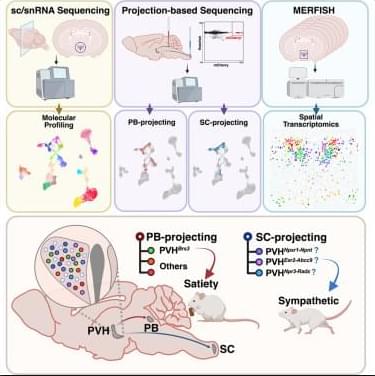
Li et al. present a spatial transcriptomic atlas of the mouse paraventricular hypothalamus (PVH) and provide molecular markers for parabrachial-and spinal cord-projecting PVH populations. They further show that Brs3-expressing PVH neurons regulate satiety, as they co-express Mc4r, cause weight gain when silenced, and reduce food intake via parabrachial projections.
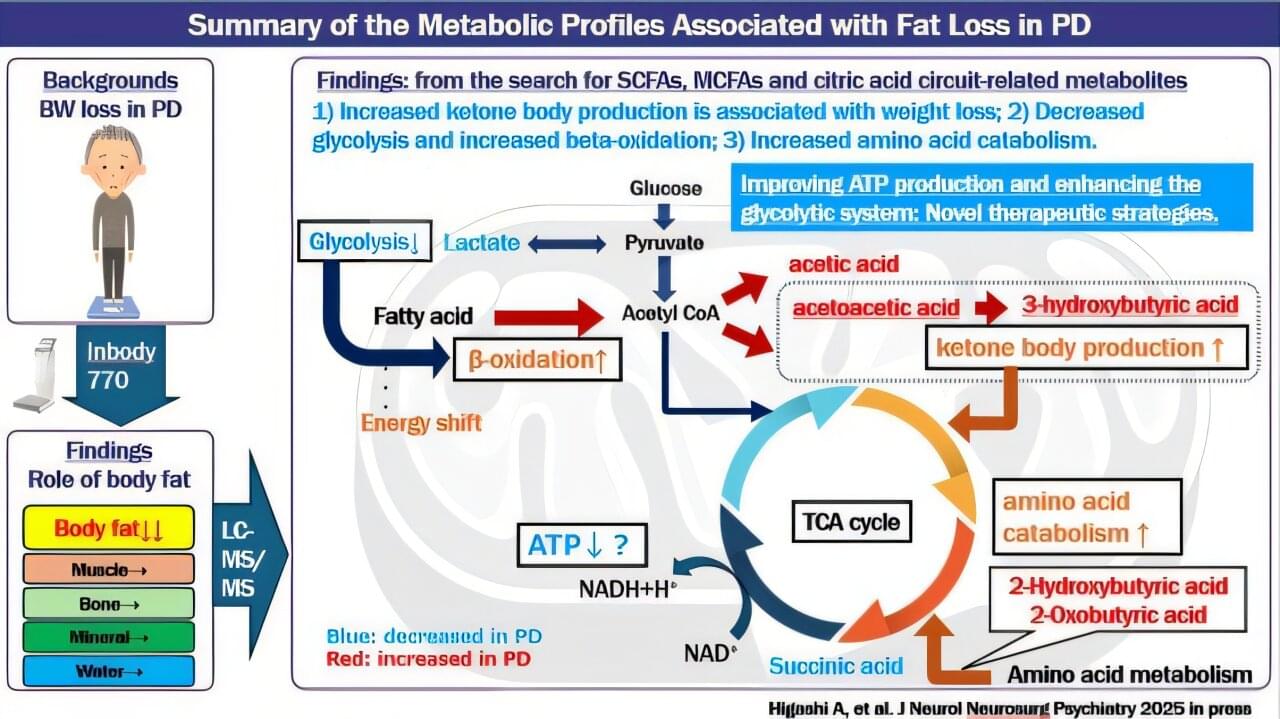
Weight loss is a well-recognized but poorly understood non-motor feature of Parkinson’s disease (PD). Many patients progressively lose weight as the disease advances, often alongside worsening motor symptoms and quality of life. Until now, it was unclear whether this reflected muscle loss, poor nutrition, or deeper metabolic changes. New research shows that PD-related weight loss is driven mainly by a selective loss of body fat, while muscle mass is largely preserved, and is accompanied by a fundamental shift in how the body produces energy.
Although PD is classically viewed as a neurological disorder, increasing evidence points to widespread metabolic dysfunction. Patients often experience fatigue and nutritional decline, yet dietary advice has largely focused on boosting calories. The new findings challenge this conventional view, showing that weight loss in PD reflects a failure of the body’s standard energy-producing pathways rather than reduced food intake alone. The findings are published in the Journal of Neurology, Neurosurgery & Psychiatry.
The study was led by Professor Hirohisa Watanabe from the Department of Neurology at Fujita Health University, School of Medicine, Japan, along with Dr. Atsuhiro Higashi and Dr. Yasuaki Mizutani from Fujita Health University. The team aimed to clarify what exactly is lost when patients with PD lose weight and why the body is forced to change its energy strategy.
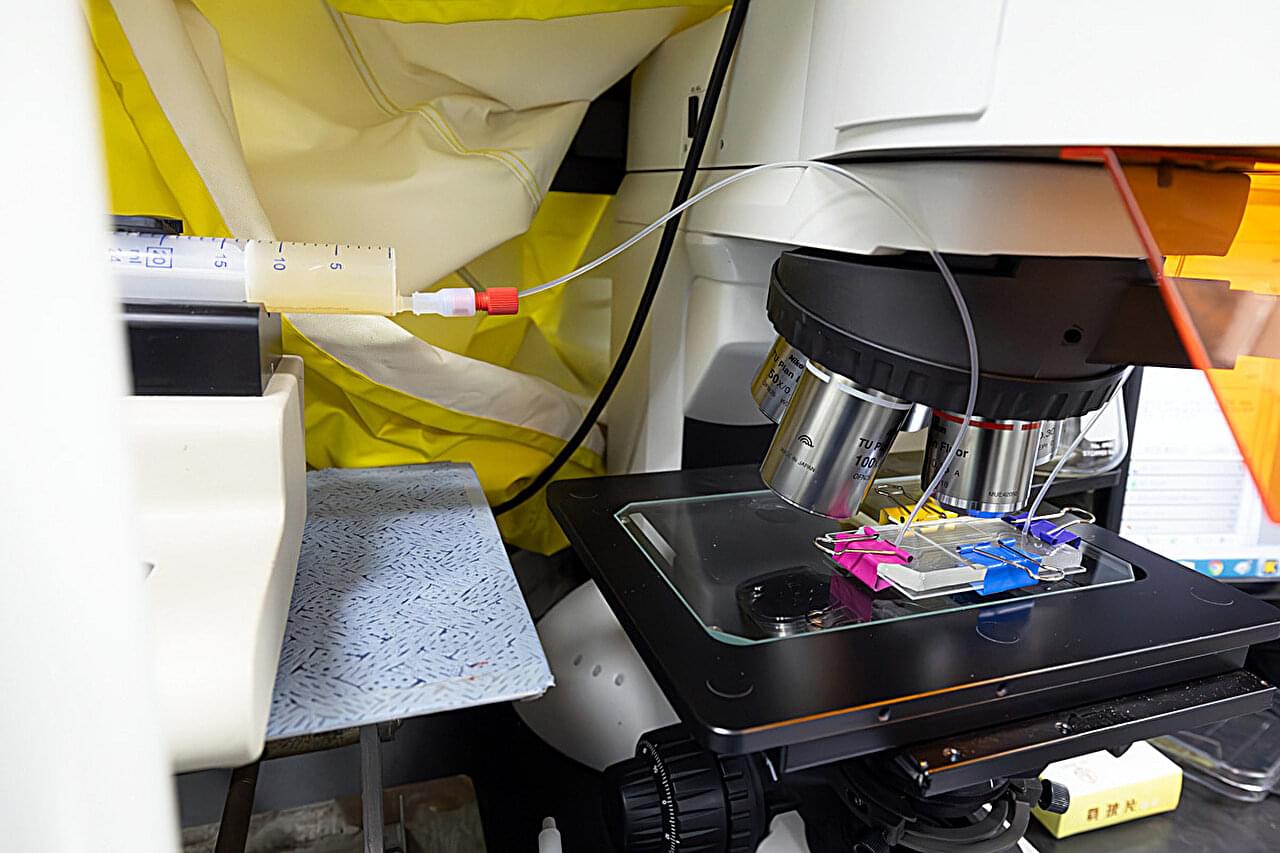
Environmental pollutant analysis typically requires complex sample pretreatment steps such as filtration, separation, and preconcentration. When solid materials such as sand, soil, or food residues are present in water samples, analytical accuracy often decreases, and filtration can unintentionally remove trace-level target pollutants along with the solids.
To address this challenge, a joint research team led by Dr. Ju Hyeon Kim at the Korea Research Institute of Chemical Technology (KRICT), in collaboration with Professor Jae Bem You’s group at Chungnam National University, has developed a microfluidic-based analytical device that enables direct extraction and analysis of pollutants from solid-containing samples without any pretreatment. The study was published in ACS Sensors
Water, food, and environmental samples encountered in daily life may contain trace amounts of hazardous contaminants that are invisible to the naked eye.
If humankind is to explore deep space, one small passenger should not be left behind: microbes. In fact, it would be impossible to leave them behind, since they live on and in our bodies, surfaces and food. Learning how they react to space conditions is critical, but they could also be invaluable fellows in our endeavor to explore space.
Microorganisms such as bacteria and fungi can harvest crucial minerals from rocks and could provide a sustainable alternative to transporting much-needed resources from Earth.
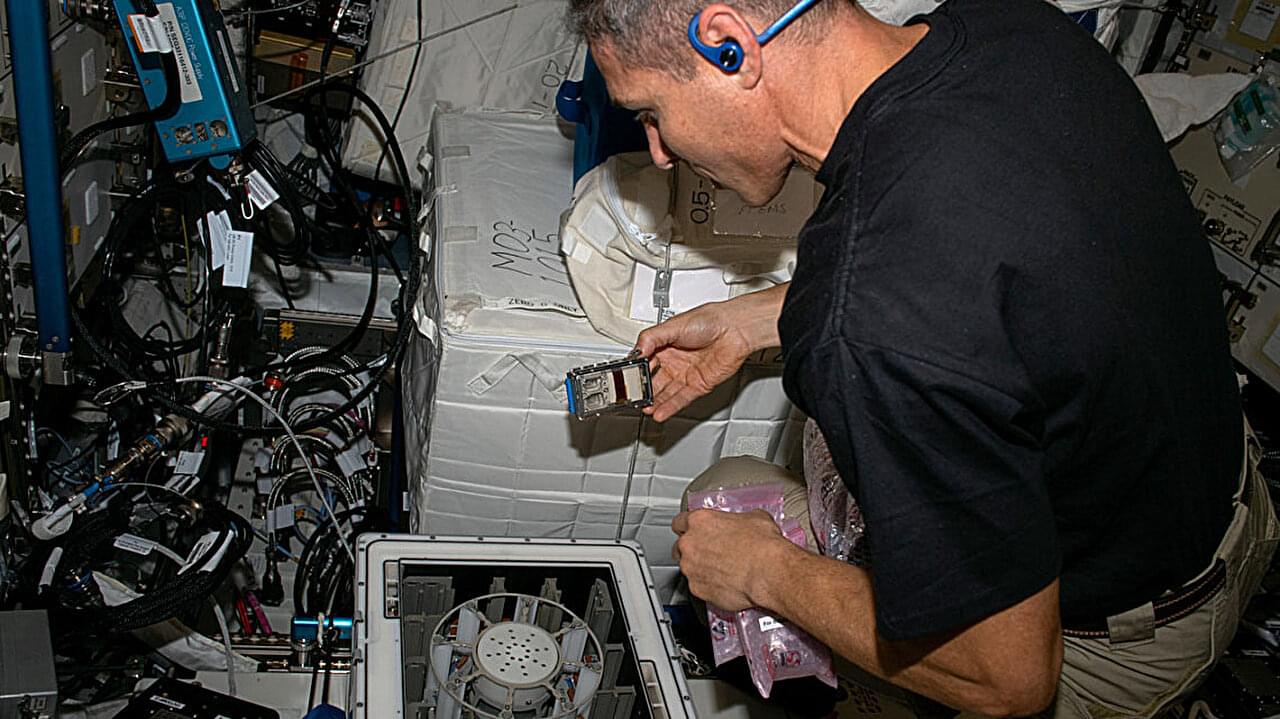
Researchers from Cornell and the University of Edinburgh collaborated to study how those microbes extract platinum group elements from a meteorite in microgravity, with an experiment conducted aboard the International Space Station. They found that “biomining” fungi are particularly adept at extracting the valuable metal palladium, while removing the fungus resulted in a negative effect on nonbiological leaching in microgravity.
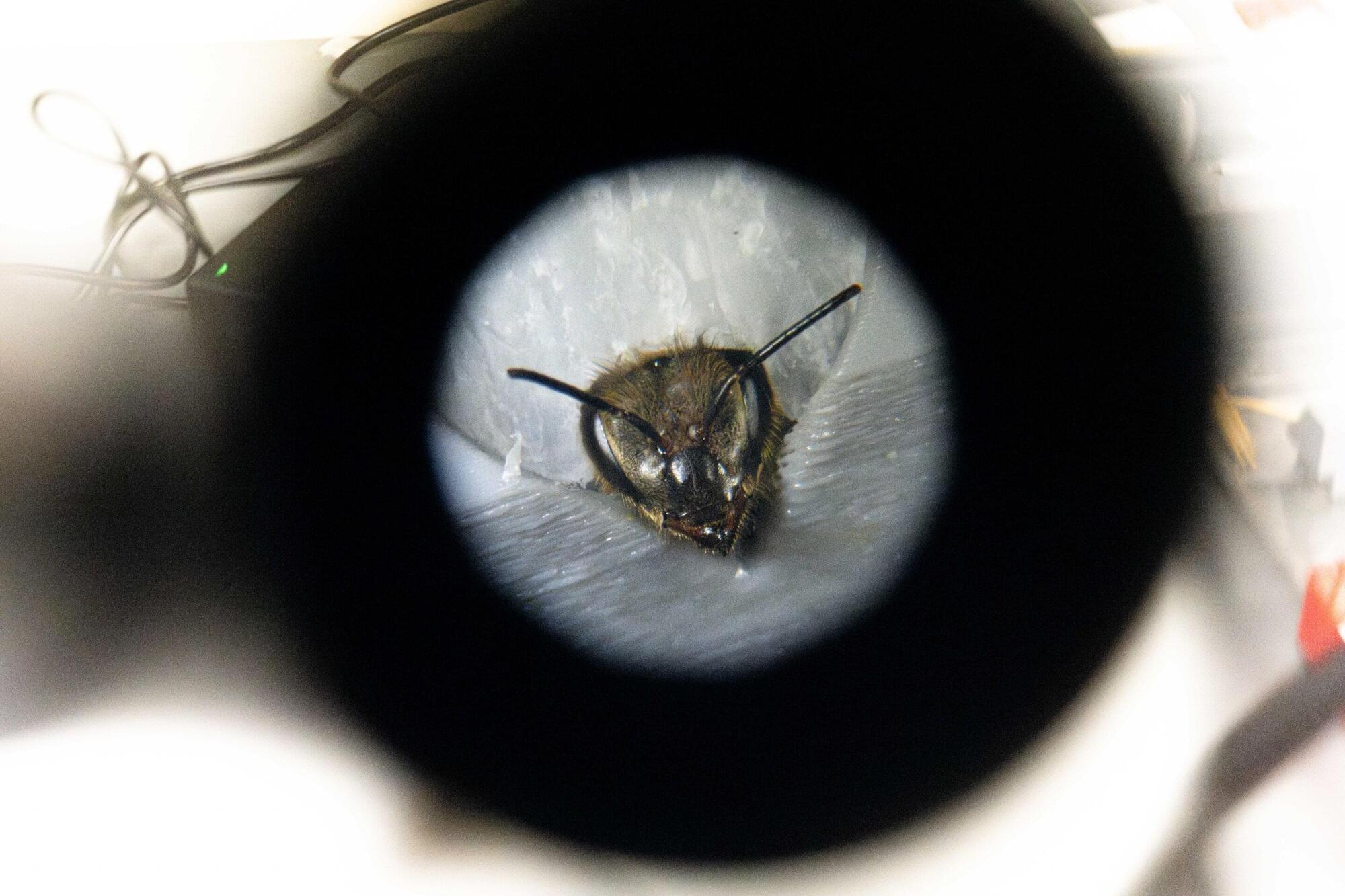
A multi-institutional team of researchers led by Virginia Tech’s Fralin Biomedical Research Institute at VTC has for the first time identified specific patterns of brain chemical activity that predict how quickly individual honey bees learn new associations, offering important insights into the biological basis of learning and decision-making. The study, published in Science Advances, found that the balance between the neurotransmitters octopamine and tyramine can predict whether a bee will learn quickly, slowly, or not at all, as they associate an odor with a reward.
Because the same ancient brain chemicals that guide learning in bees also shape attention and learning in people, the findings may help scientists better understand why individual humans learn at different speeds—and how those processes may go awry in a variety of brain disorders.
Specific patterns of brain chemical activity appear before learning begins and again when a learned behavior first emerges, signaling how quickly an individual bee will learn. The research can help explain how chemicals in the brain drive attention and reinforce learning, with implications for fundamental biology, medicine, and agriculture.

We don’t experience the world through neat, separate senses—everything blends together. Smell, touch, sound, sight, and balance constantly influence one another, shaping how food tastes, objects feel, and even how heavy our bodies seem. Scientists now believe humans may have more than 20 distinct senses working at once. Everyday illusions and experiences reveal just how surprisingly complex perception really is.

When James Dyson built his 5,127th prototype of a bagless vacuum cleaner, he had no idea that the same relentless engineering philosophy would one day transform him into Britain’s largest farmer. Today, Dyson strawberry farming represents one of the most ambitious applications of high-tech innovation to agriculture ever attempted in the United Kingdom.
The numbers tell an extraordinary story. After spending five years and creating over five thousand prototypes to perfect a single vacuum cleaner design, Dyson has now invested £140 million into a farming operation spanning 36,000 acres across five English counties. At the heart of this agricultural empire sits a 26-acre glasshouse in Lincolnshire, home to 1.25 million strawberry plants and technology that has increased yields by 250% compared to traditional farming methods.
This isn’t farming as your grandparents would recognize it. Inside Dyson’s facility, massive 5.5-meter “ferris wheel” structures rotate strawberry plants through optimal sunlight positions. Sixteen robotic arms delicately harvest ripe fruit using computer vision. UV-emitting robots patrol the aisles at night, destroying mould without chemicals. And all of it runs on renewable energy generated from an adjacent anaerobic digester.
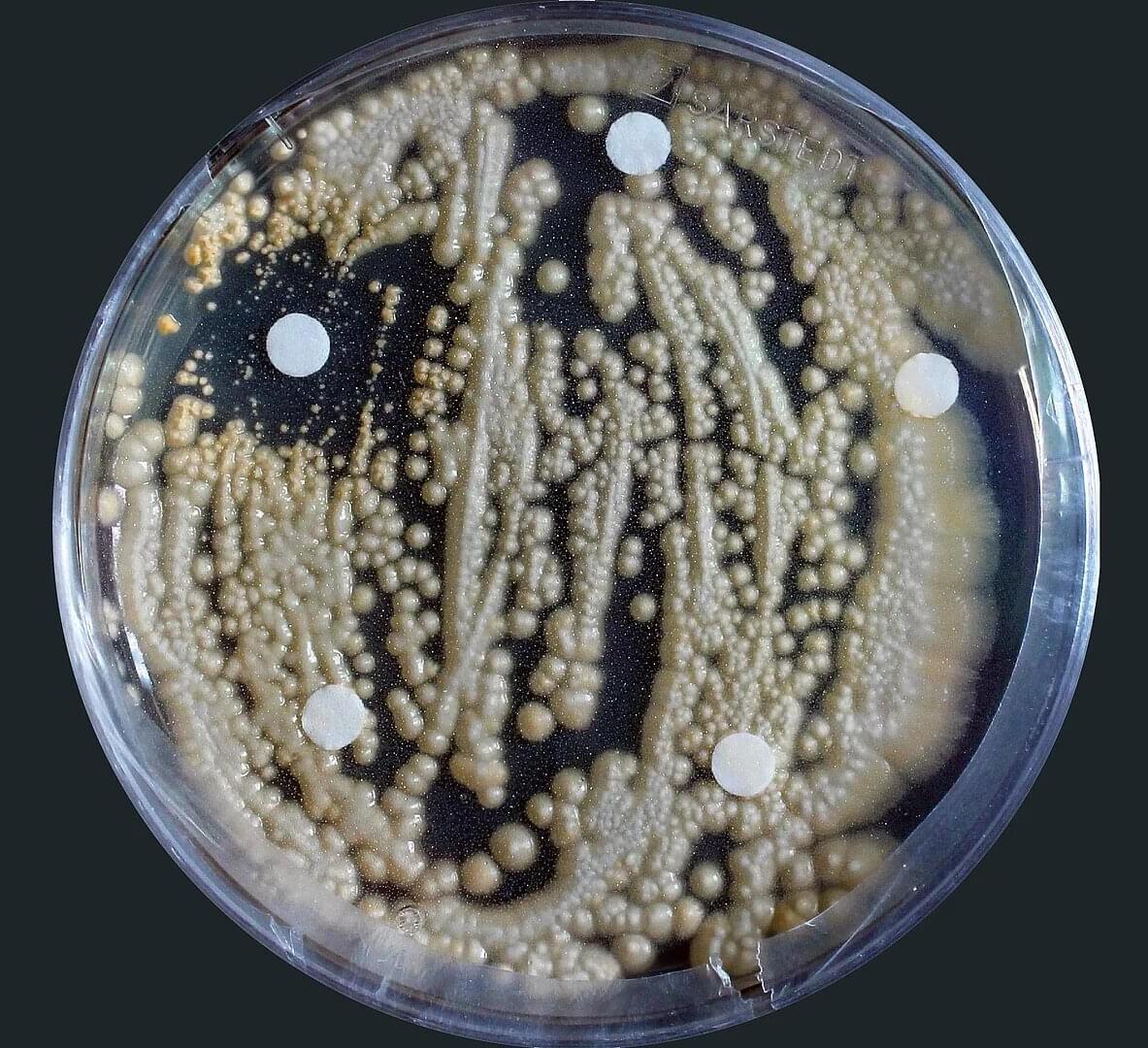
A new study by researchers at Kiel University and MPI-EvolBio describes how more efficient protein production drives the adaptation of fungi to the human body, potentially turning previously harmless species into emerging pathogens. In the wake of global change and the associated rise in temperatures, fungal infections are on the increase worldwide, threatening crops, wildlife and, also, human health. Many fungal species are completely harmless and fulfill important ecological functions, such as decomposing organic matter and releasing nutrients into the soil.
As symbionts of multicellular organisms, they perform useful functions for their host. On the other hand, some species are so-called opportunistic human pathogens: particularly in a weakened immune system, such fungi can colonize the body and cause serious and even life-threatening infections.
While fungi are often studied as pathogens of crops at institutions such as Kiel University and the Max Planck Institute for Evolutionary Biology in Plön (MPI-EvolBio), researchers are increasingly turning their attention to their harmful effects on humans. A research team led by Professor Eva Stukenbrock, head of the Environmental Genomics group at Kiel University and MPI-EvolBio, has conducted a new study to investigate why certain fungi might become human pathogens in the course of global change. To this end, the researchers analyzed various fungal species of the order Trichosporonales, which includes both harmless and dangerous species for humans.