Toggle light / dark theme

Scientists detect new climate pattern in the tropics

Tropical cyclones can unleash extensive devastation, as recent storms that swept over Jamaica and the Philippines made unmistakably clear. Accurate weather forecasts that buy more time to prepare are crucial for saving lives and are rooted in a deeper understanding of climate systems.

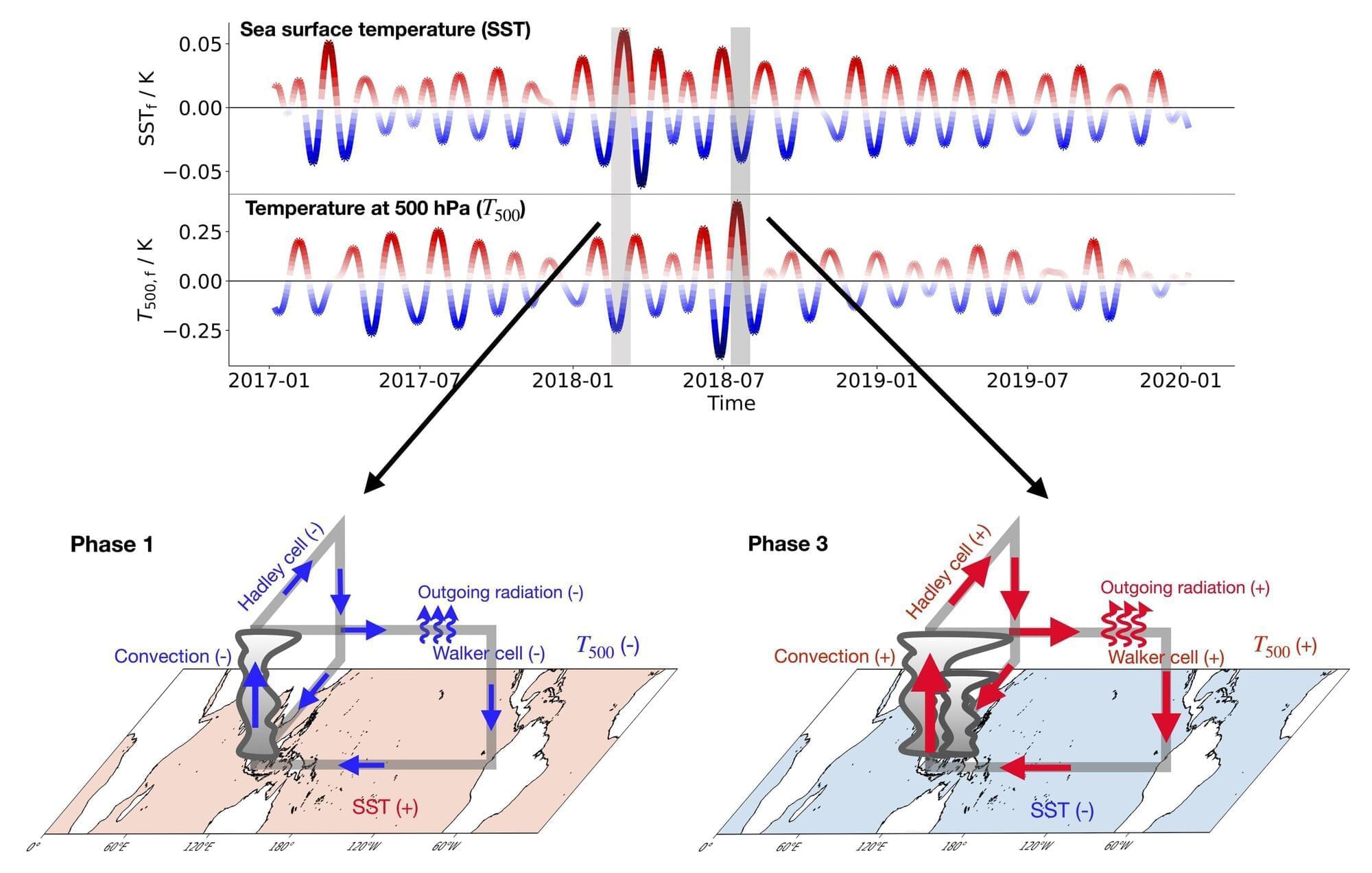
Driving this forward, researchers at the Institute of Science and Technology Austria (ISTA) and others have successfully identified a previously unknown cyclic climate pattern by historical reanalysis of datasets and satellite observations. The findings are published in PNAS.

Jiawei Bao still remembers coming home from middle school to catch the weather forecast on TV. It spanned from China’s northernmost province, Heilongjiang, to the southernmost province and tropical island, Hainan. In winter, the temperature between these regions can range from cold to balmy, varying by a staggering 50 degrees Celsius.

Higher resolution climate models show 41% increase in daily extreme land precipitation by 2100

Despite continuous efforts to evaluate and predict changes in Earth’s climate, most models still struggle to accurately simulate extreme precipitation events. Models like the Coupled Model Intercomparison Project Phases 5 and 6 (CMIP5 and CMIP6) use fairly coarse resolution due to computing constraints, making it a little easier, faster and less expensive to run simulations, while still providing some degree of accuracy.

However, a new study, published in Nature Geoscience, is shedding light on some of the features missed by these coarser resolution models.

The team involved in the study developed a higher resolution model that breaks up the atmosphere into 10–25 km (6–15.5 mile) squares for analysis, instead of 100 km (62 mile) squares. Their high-resolution model is based on the Community Earth System Model v.1.3 (CESM-HR), which looks at the time period between 1920–2100. These results are then compared with the low-resolution version’s (CESM-LR) results.

Ancient bog growth reveals shifting Southern Hemisphere winds 15,000 years ago

Scientists have revealed that ancient bogs in the Southern Hemisphere hold clues to a major shift in Earth’s climate thousands of years ago.

Researchers looking at peatlands have discovered that sudden shifts in the Southern Westerly Winds 15,000 years ago triggered a massive growth of the swamps.

Geo-experts have never fully understood what caused the bogs to form across the Southern Hemisphere after the last Ice Age.

Scientist captures tiny particles for clues on what sparks lightning

Using lasers as tweezers to understand cloud electrification might sound like science fiction, but at the Institute of Science and Technology Austria (ISTA) it is a reality. By trapping and charging micron-sized particles with lasers, researchers can now observe their charging and discharging dynamics over time.

This method, published in Physical Review Letters, could provide key insights into what sparks lightning.

Aerosols are liquid or that float in the air. They are all around us. Some are large and visible, such as pollen in spring, while others, such as viruses that spread during flu season, cannot be detected by the naked eye. Some we can even taste, like the airborne salt crystals we breathe in at the seaside.

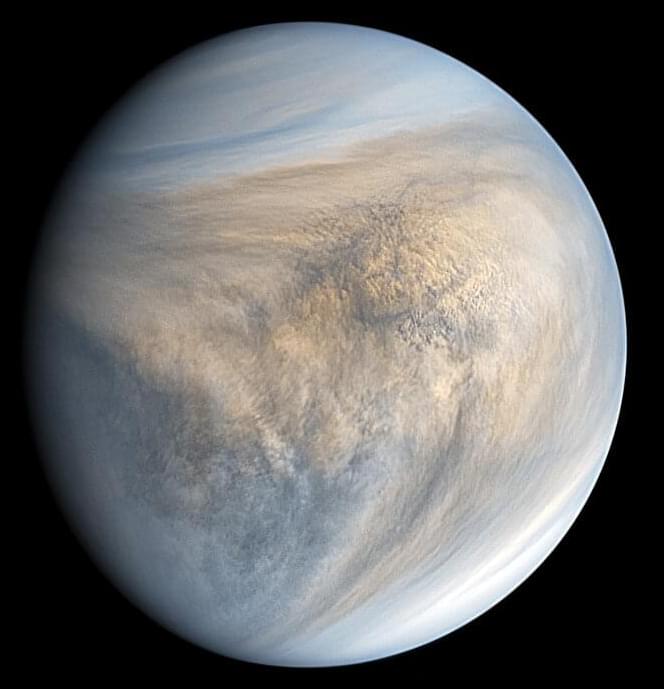
Key driver of extreme winds on Venus identified

Imagine the catastrophic winds of a category 5 hurricane. Now, imagine even faster winds of more than 100 meters per second, encircling the planet and whipping clouds across the sky, with no end in sight. This scenario would be astonishing on Earth, but it’s business as usual on Venus, where the atmosphere at cloud level rotates about 60 times faster than the planet itself—a phenomenon known as superrotation. In contrast, Earth’s cloud-level atmosphere rotates at about the same speed as the planet’s surface.

Prior research has explored the mechanisms driving atmospheric superrotation on Venus, but the details remain murky. New evidence from Lai and team suggests that a once-daily atmospheric tidal cycle, fueled by heat from the sun, contributes much more to the planet’s extreme winds than previously thought. The study is published in the journal AGU Advances.

Rapid atmospheric rotation often occurs on rocky planets that, like Venus, are located relatively close to their stars and rotate very slowly. On Venus, one full rotation takes 243 Earth days. Meanwhile, the races around the planet in a mere 4 Earth days.

Antarctic ice loss linked to ‘storms’ at ocean’s subsurface

Researchers at the University of California, Irvine and NASA’s Jet Propulsion Laboratory have identified stormlike circulation patterns beneath the Antarctic ice shelves that are causing aggressive melting, with major implications for global sea level rise projections.

In a paper published recently in Nature Geoscience, the scientists say their study is the first to examine ocean-induced ice shelf melting events from a weather timescale of just days versus seasonal or annual timeframes. This enabled them to match “ocean storm” activity with intense ice melt at Thwaites Glacier and Pine Island Glacier in the climate change-threatened Amundsen Sea Embayment in West Antarctica.

The research team relied on climate simulation modeling and moored observation tools to gain 200-meter-resolution pictures of submesoscale ocean features between 1 and 10 kilometers across, tiny in the context of the vast ocean and huge slabs of floating ice in Antarctica.

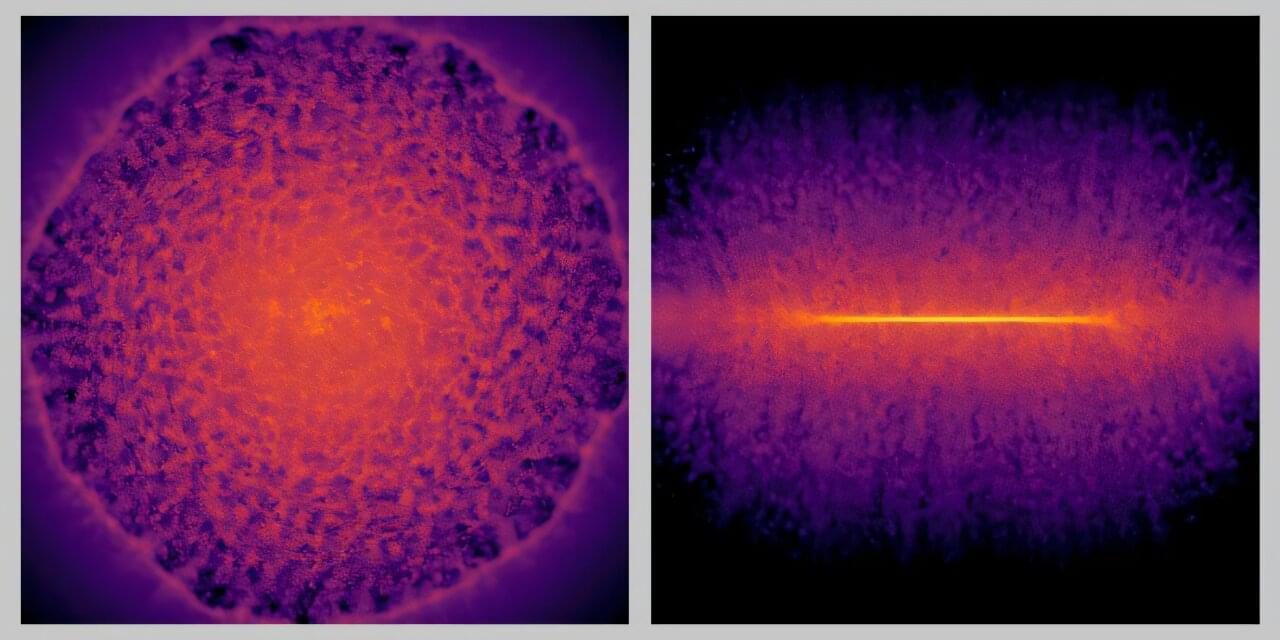
The simulated Milky Way: 100 billion stars using 7 million CPU cores

Researchers have successfully performed the world’s first Milky Way simulation that accurately represents more than 100 billion individual stars over the course of 10 thousand years. This feat was accomplished by combining artificial intelligence (AI) with numerical simulations. Not only does the simulation represent 100 times more individual stars than previous state-of-the-art models, but it was produced more than 100 times faster.

Published in Proceedings of the International Conference for High Performance Computing, Networking, Storage and Analysis, the study represents a breakthrough at the intersection of astrophysics, high-performance computing, and AI. Beyond astrophysics, this new methodology can be used to model other phenomena such as and .

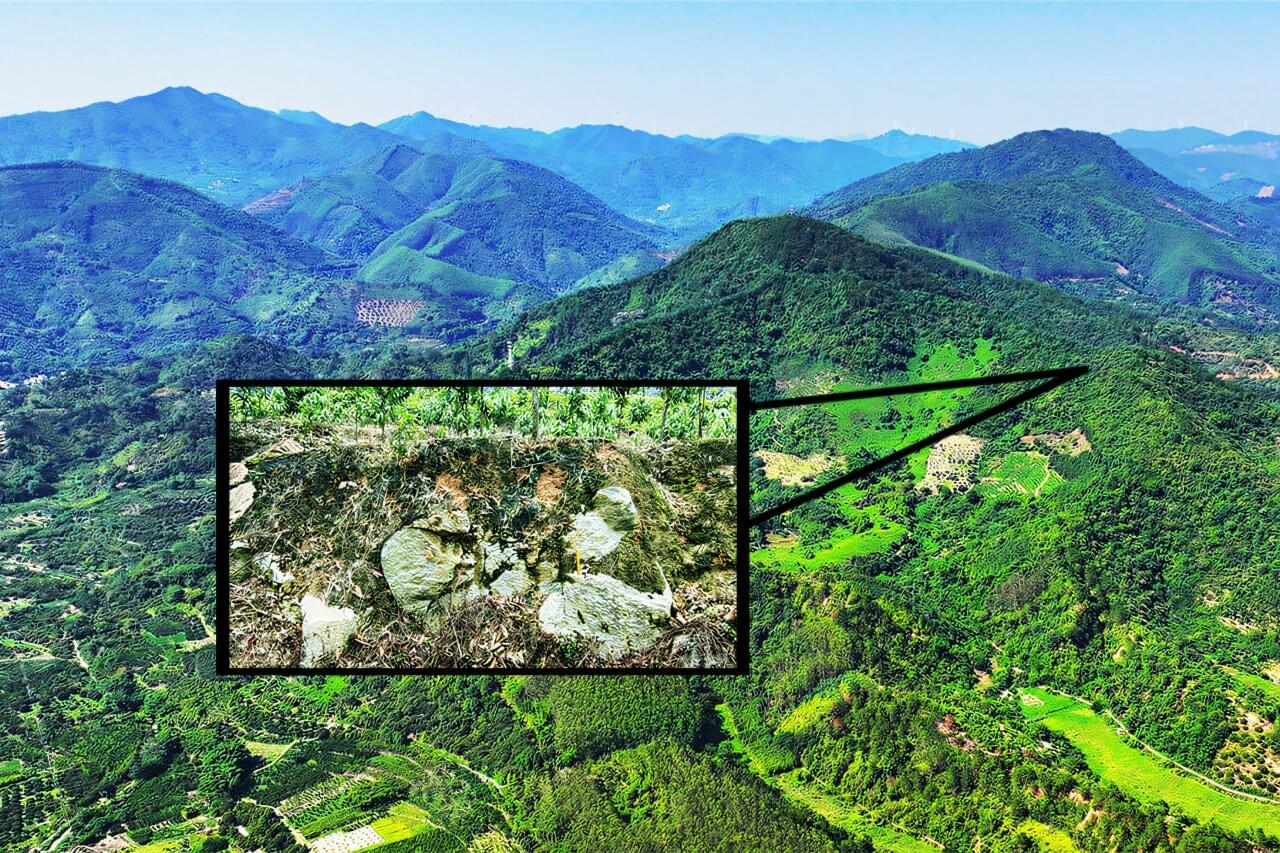
Earth’s largest modern crater discovered in Southern China

A newly discovered, remarkably well-preserved impact crater is shedding fresh light on how extraterrestrial bodies collide with Earth.

In the journal Matter and Radiation at Extremes, researchers from Shanghai and Guangzhou, China, report the discovery of the Jinlin crater: an impact structure nestled on a hillside and preserved within a thick granite weathering crust.

Located in Zhaoqing, Guangdong Province, China, it is one of only about 200 identified craters worldwide and is very young in geological years. Based on measurements of nearby soil erosion, it likely formed during the early-to-mid Holocene—our current geological epoch, which began at the end of the last ice age about 11,700 years ago.

Scientists Create Digital Twin of Earth, Accurate to a 1-Kilometer Scale

Weather forecasting is notoriously wonky — climate modeling even more so. But their increasing ability to predict what the natural world will throw at us humans is largely thanks to two things — better models and increased computing power.

Now, a new paper from researchers led by Daniel Klocke of the Max Planck Institute in Germany describes what some in the climate modeling community have described as the “holy grail” of their field — an almost kilometer-scale resolution model that combines weather forecasting with climate modeling.

Technically the scale of the new model isn’t quite 1 sq km per modeled patch — it’s 1.25 kilometers.

/* */