Toggle light / dark theme

Cheaper green hydrogen? New catalyst design cuts energy losses in AEM electrolyzers

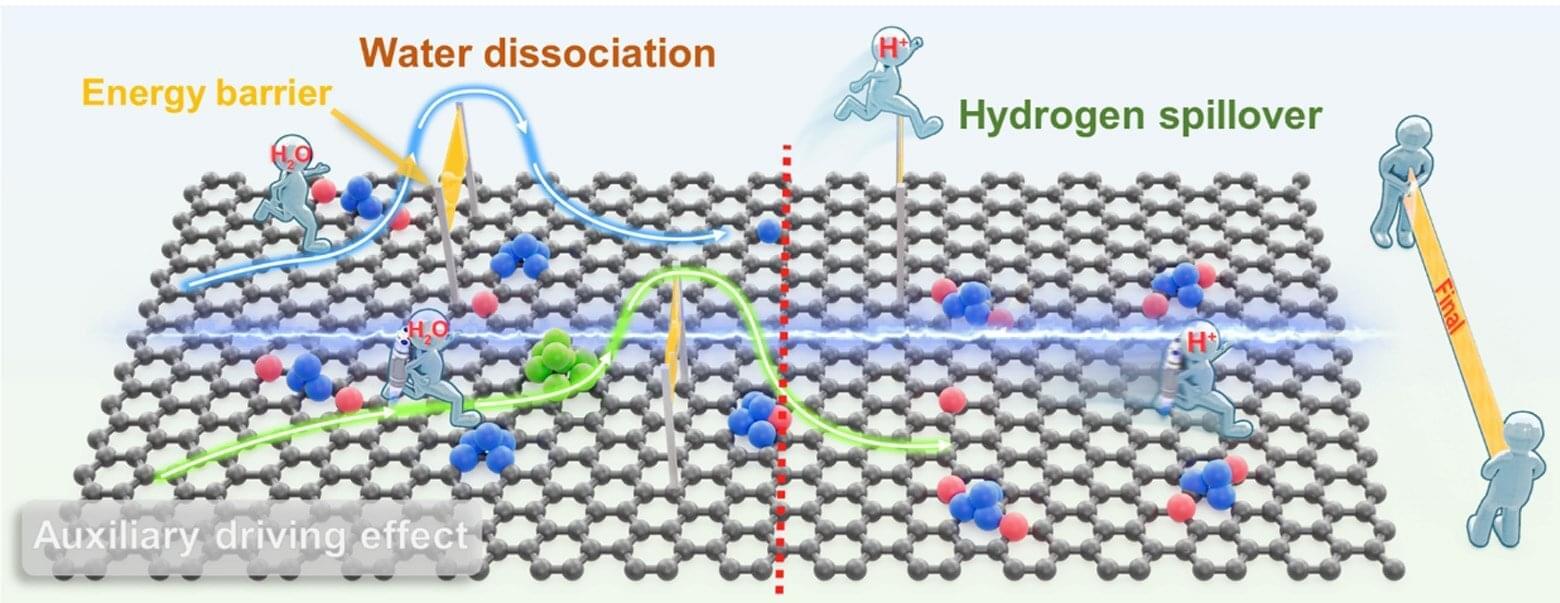
Producing clean hydrogen from water is often compared to storing renewable energy in chemical form, but improving the efficiency of that process remains a scientific challenge. Researchers at Tohoku University have now developed a catalyst design that helps hydrogen form more smoothly under alkaline conditions, a key step toward practical green hydrogen production.

The work is published in the journal ACS Catalysis.

Scientific Notation Operations Simplified | A-to-Z Tutorial

In this video, you’ll learn how to perform all four operations in scientific notation: addition, subtraction, multiplication, and division. The lesson explains how to work with powers of ten, adjust exponents correctly, and avoid common calculation mistakes.

Special attention is given to addition and subtraction in scientific notation, including how and when to rewrite numbers so their exponents match before combining them.

This video is ideal for students studying chemistry, physics, and general science, where scientific notation is used to handle very large and very small numbers efficiently.

Topics covered:

Review of scientific notation.
Multiplication in scientific notation.
Division in scientific notation.
Addition in scientific notation (matching exponents)
Subtraction in scientific notation.
Common mistakes and exam tips.

Designed for middle school, high school, and introductory college learners.

Machine learning helps solve a central problem of quantum chemistry

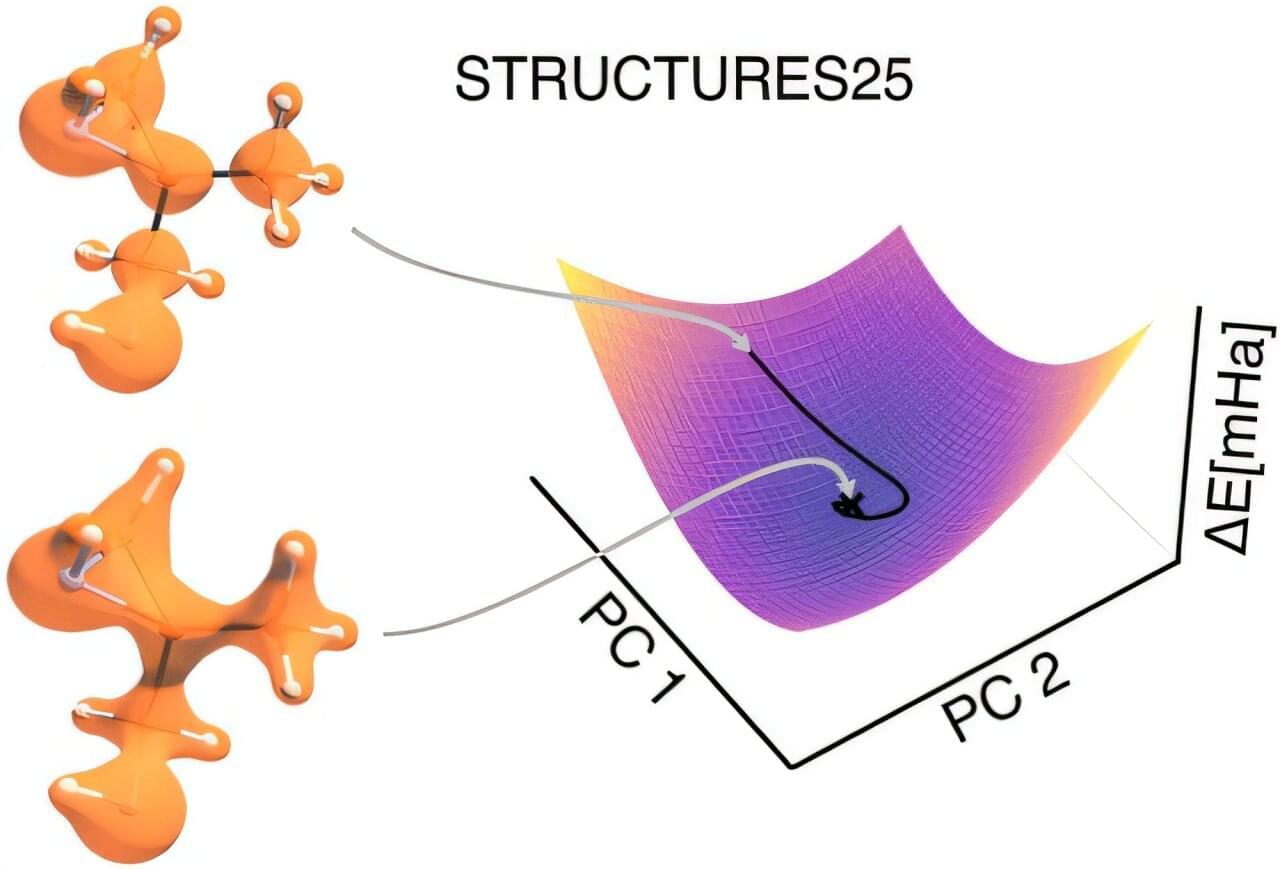
Within the STRUCTURES Cluster of Excellence, two research teams at the Interdisciplinary Center for Scientific Computing (IWR) have refined a computing process, long held to be unreliable, such that it delivers precise results and reliably establishes a physically meaningful solution. The findings are published in the Journal of the American Chemical Society.

Why molecular electron densities matter

How electrons are distributed in a molecule determines its chemical properties—from its stability and reactivity to its biological effect. Reliably calculating this electron distribution and the resulting energy is one of the central functions of quantum chemistry. These calculations form the basis of many applications in which molecules must be specifically understood and designed, such as for new drugs, better batteries, materials for energy conversion, or more efficient catalysts.

Chitosan-nickel biomaterial becomes stronger when wet, and could replace plastics

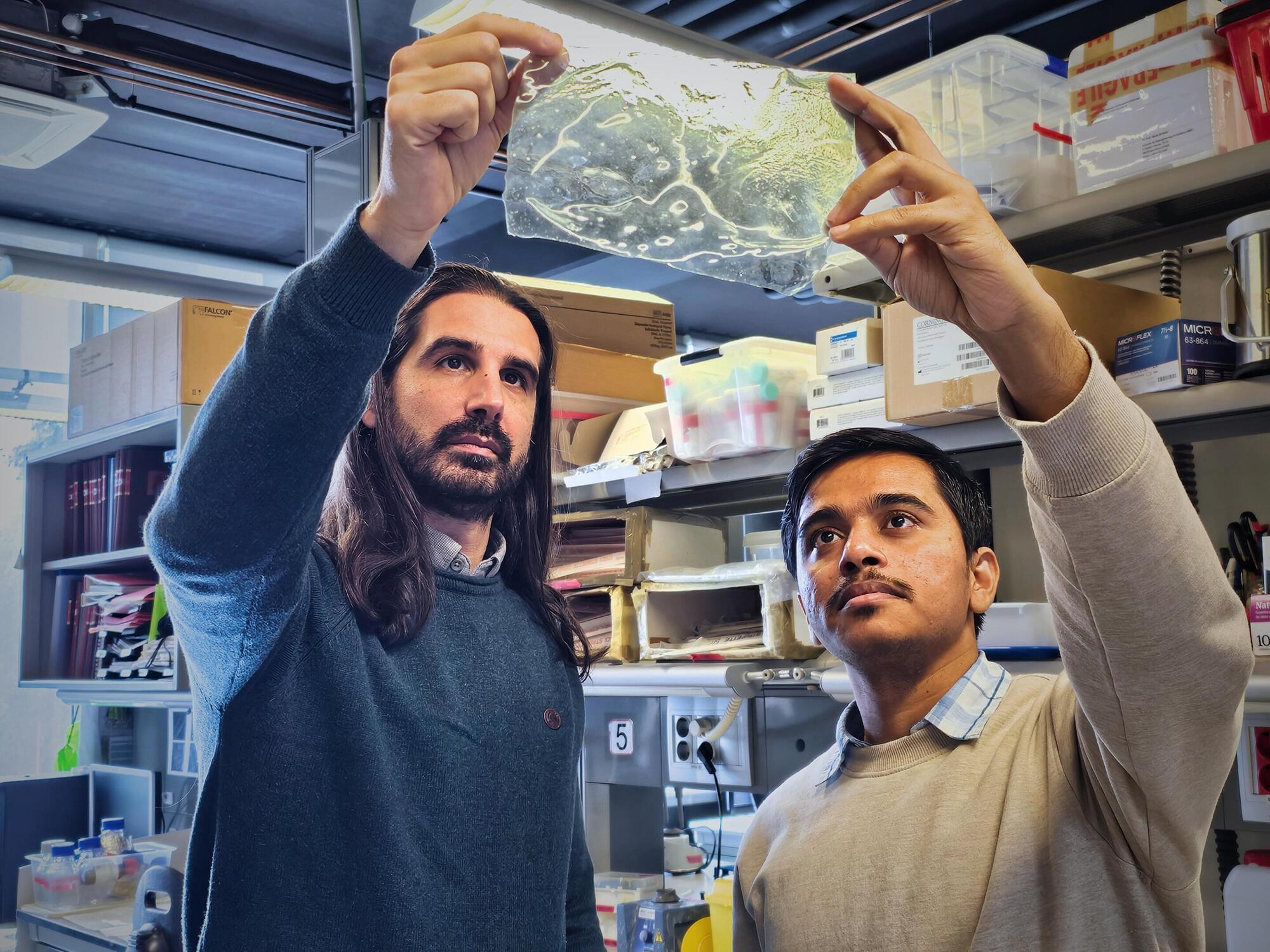
A new study led by the Institute for Bioengineering of Catalonia (IBEC) has unveiled the first biomaterial that is not only waterproof but actually becomes stronger in contact with water. The material is produced by the incorporation of nickel into the structure of chitosan, a chitinous polymer obtained from discarded shrimp shells. The development of this new biomaterial marks a departure from the plastic-age mindset of making materials that must isolate from their environment to perform well. Instead, it shows how sustainable materials can connect and leverage their environment, using their surrounding water to achieve mechanical performance that surpasses common plastics.

Plastics have become an integral part of modern society thanks to their durability and resistance to water. However, precisely these properties turn them into persistent disruptors of ecological cycles. As a result, unrecovered plastic is accumulating across ecosystems and becoming an increasingly ubiquitous component of global food chains, raising growing concerns about potential impacts on human health.

In an effort to address this challenge, the use of biomaterials as substitutes for conventional plastics has long been explored. However, their widespread adoption has been limited by a fundamental drawback: Most biological materials weaken when exposed to water. Traditionally, this vulnerability has forced engineers to rely on chemical modifications or protective coatings, thereby undermining the sustainability benefits of biomaterial-based solutions.

Israeli professor leads int’l team behind implantable device that could eliminate need for insulin shots

Assistant Professor Shady Farah from the Technion – Israel Institute of Technology’s Faculty of Chemical Engineering – has led an international research team that pioneered the development of an implantable, self-regulating device that produces insulin for patients with diabetes. The research is considered groundbreaking and could potentially eliminate the need for daily insulin shots.

The multinational study was conducted in cooperation with scientists from leading U.S. institutions, including the Massachusetts Institute of Technology (MIT), Harvard University, Johns Hopkins University and the University of Massachusetts.

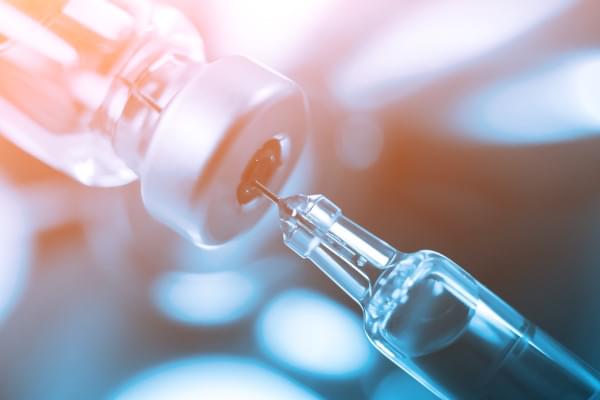
The study, published last month in Science Translational Medicine, describes the implant as a self-regulating ‘artificial pancreas’ that monitors blood glucose levels and produces insulin internally, eliminating the need for external insulin shots. The researchers describe the technology as a ‘crystalline shield’ and report that it can operate in the body for years.


Technion researchers developed an implantable artificial pancreas that produces insulin, potentially eliminating daily shots for diabetes patients.

New additive helps solar cells retain 93% power-conversion efficiency

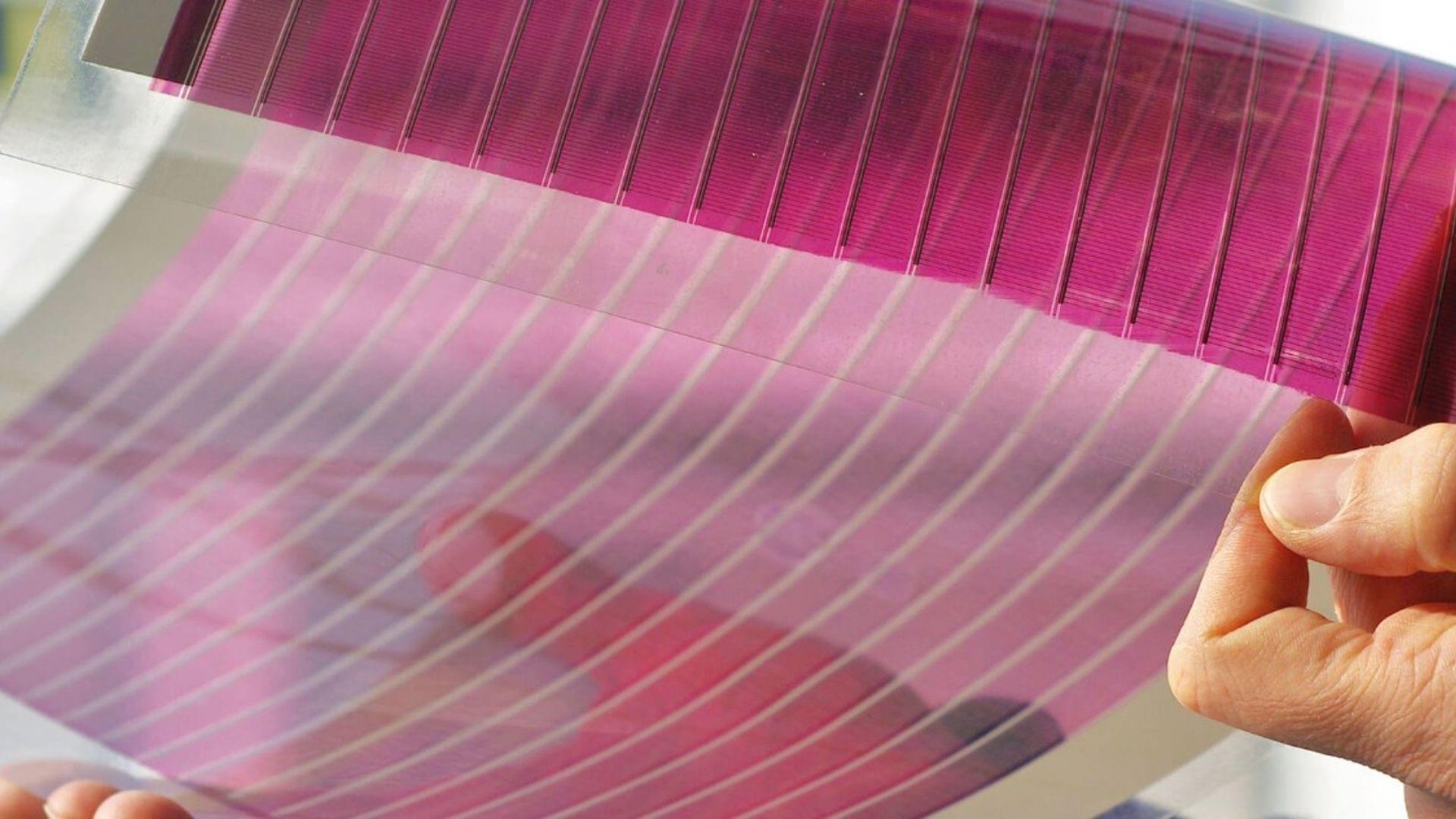
A study conducted by Penn State University researchers has revealed that organic solar cells could be strengthened by adding a chemical additive, making them suitable for large-scale deployment and manufacturing. The study was reported on the official university website on February 16.

Assistant Professor Nutifafa Doumon and doctoral candidate Souk Yoon “John” Kim, both from the Department of Materials Science and Engineering, led this experiment.

New AI model could cut the costs of developing protein drugs

Industrial yeasts are a powerhouse of protein production, used to manufacture vaccines, biopharmaceuticals, and other useful compounds. In a new study, MIT chemical engineers have harnessed artificial intelligence to optimize the development of new protein manufacturing processes, which could reduce the overall costs of developing and manufacturing these drugs.

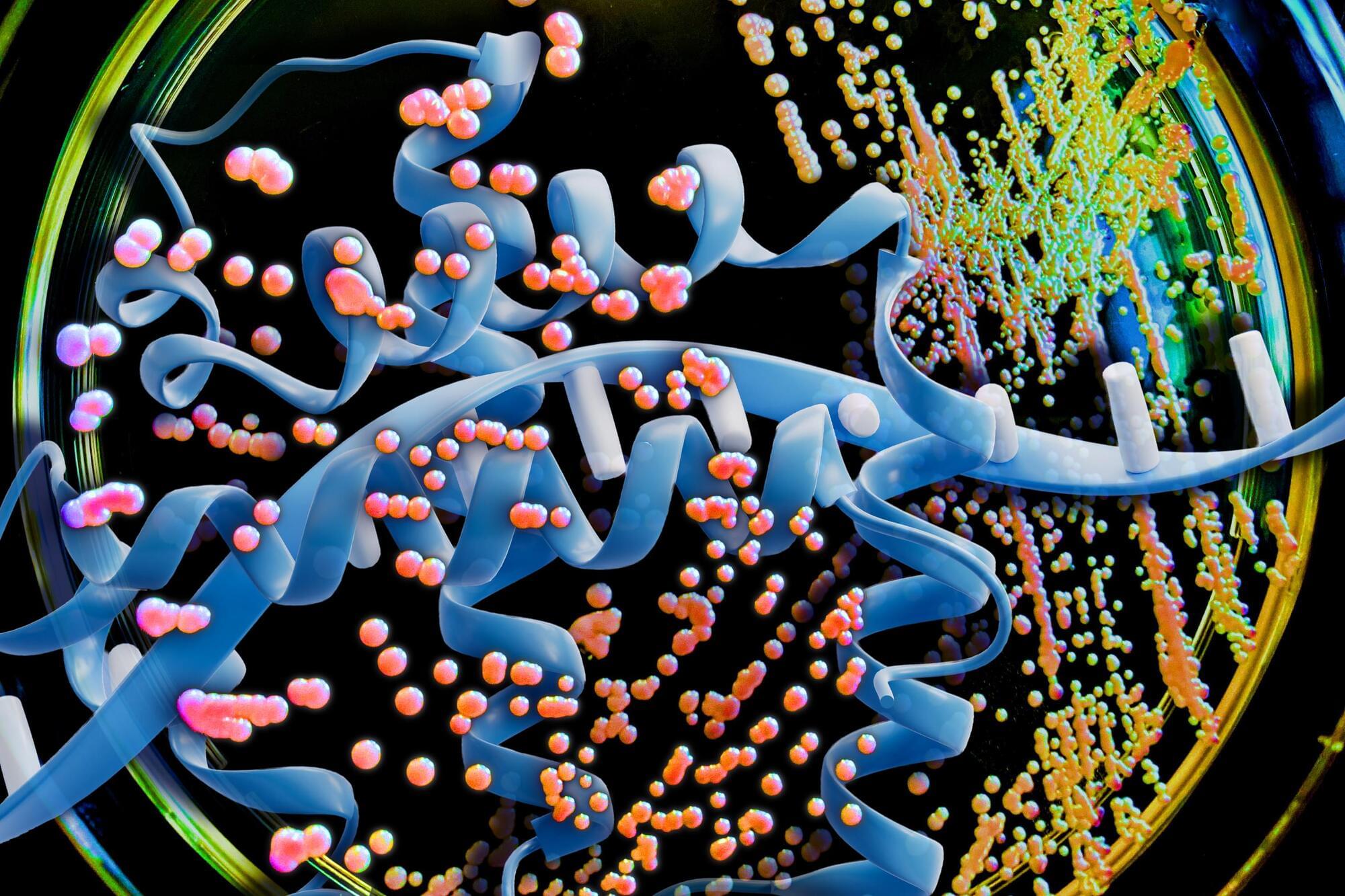
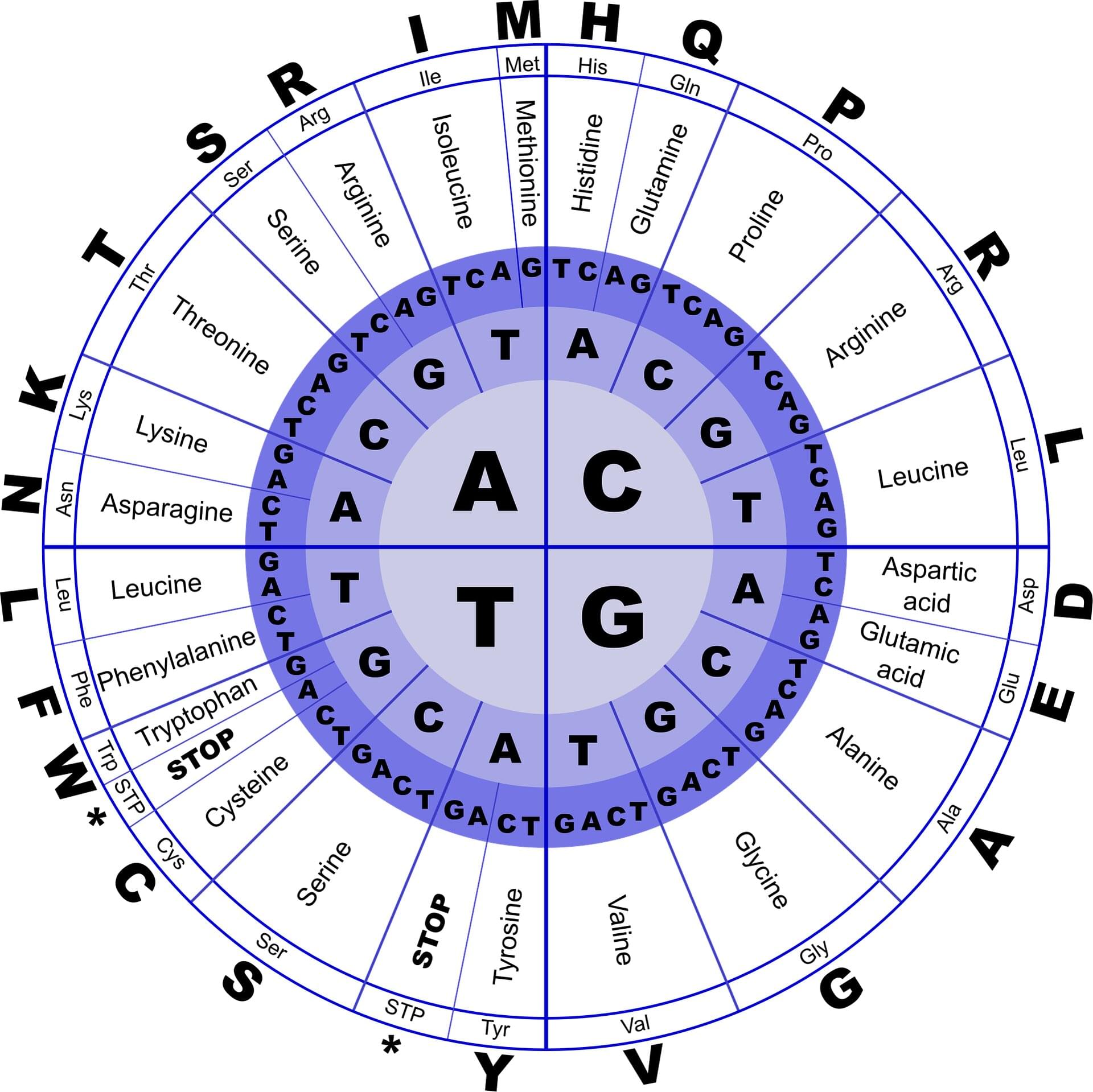
Using a large language model (LLM), the MIT team analyzed the genetic code of the industrial yeast Komagataella phaffii — specifically, the codons that it uses. There are multiple possible codons, or three-letter DNA sequences, that can be used to encode a particular amino acid, and the patterns of codon usage are different for every organism.

The new MIT model learned those patterns for K. phaffii and then used them to predict which codons would work best for manufacturing a given protein. This allowed the researchers to boost the efficiency of the yeast’s production of six different proteins, including human growth hormone and a monoclonal antibody used to treat cancer.
AI model learns yeast DNA ‘language’ to boost protein drug output

Industrial yeasts are a powerhouse of protein production, used to manufacture vaccines, biopharmaceuticals, and other useful compounds. In a new study, MIT chemical engineers have harnessed artificial intelligence to optimize the development of new protein manufacturing processes, which could reduce the overall costs of developing and manufacturing these drugs.

Using a large language model (LLM), the MIT team analyzed the genetic code of the industrial yeast Komagataella phaffii—specifically, the codons that it uses. There are multiple possible codons, or three-letter DNA sequences, that can be used to encode a particular amino acid, and the patterns of codon usage are different for every organism.

The new MIT model learned those patterns for K. phaffii and then used them to predict which codons would work best for manufacturing a given protein. This allowed the researchers to boost the efficiency of the yeast’s production of six different proteins, including human growth hormone and a monoclonal antibody used to treat cancer.
/* */