Toggle light / dark theme

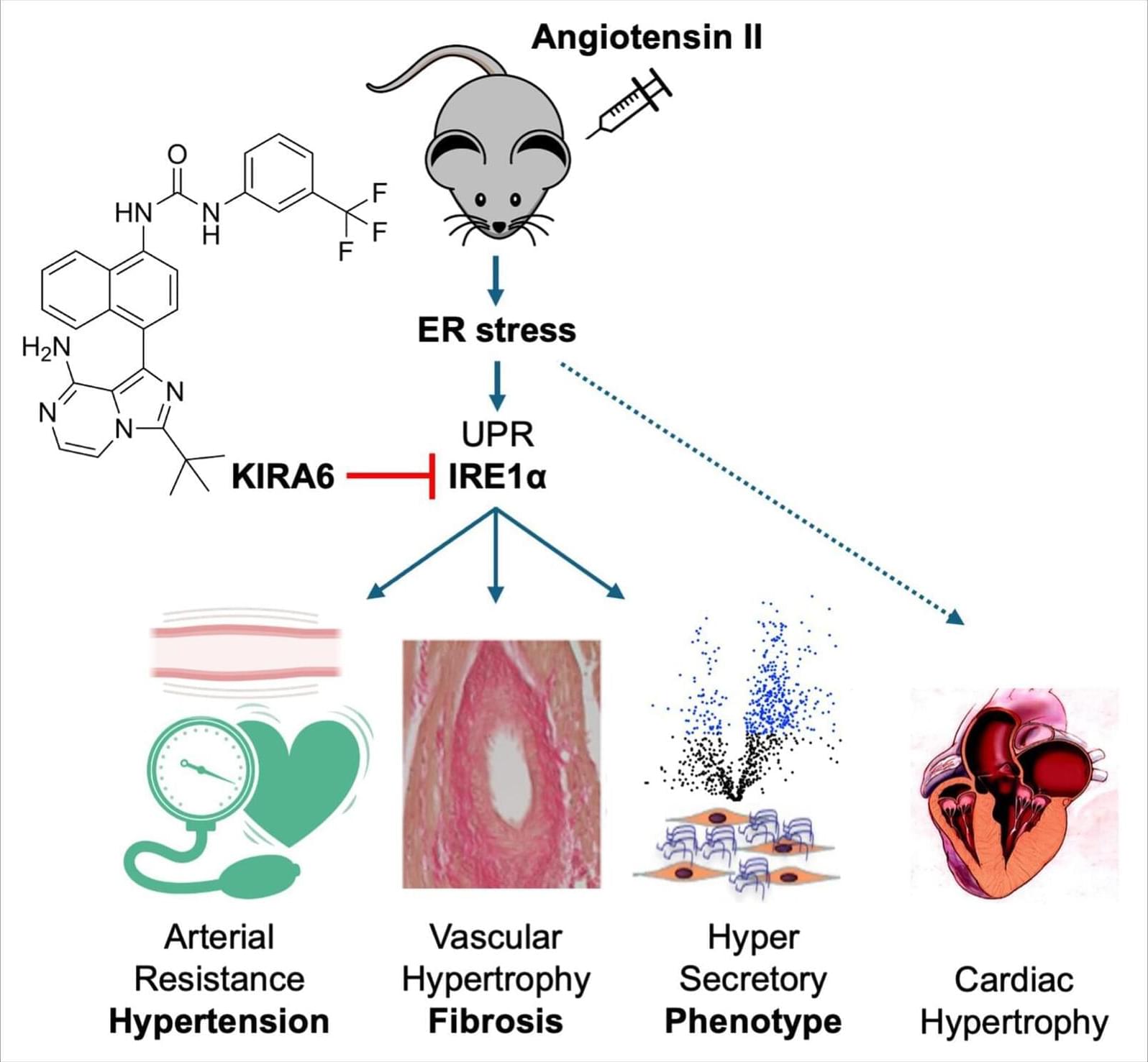
Inositol Requiring Enzyme 1α Mediates Hypertension and Vascular Remodeling

A single genetic “switch” may be the secret to how the body’s cleanup crew grows up and keeps our organs running smoothly.

Scientists at the University of Liège have identified a crucial genetic regulator that allows macrophages to fully mature and help maintain healthy organs. This regulator, known as MafB, acts as a “molecular switch” that turns specific genes on or off at the right time and in the right cells.

By carefully controlling this genetic activity, MafB enables the development of macrophages that defend the body and support normal organ function. When MafB is missing, macrophages do not work as they should and lose their ability to carry out their protective duties.

Enhancement of Patient-Centered Lung Cancer Screening: The MyLungHealth Randomized Clinical Trial

The MyLungHealth randomized trial found that digital tools improved eligibility assessment and CT ordering for LungCancer screening, but gains in scan completion were limited.


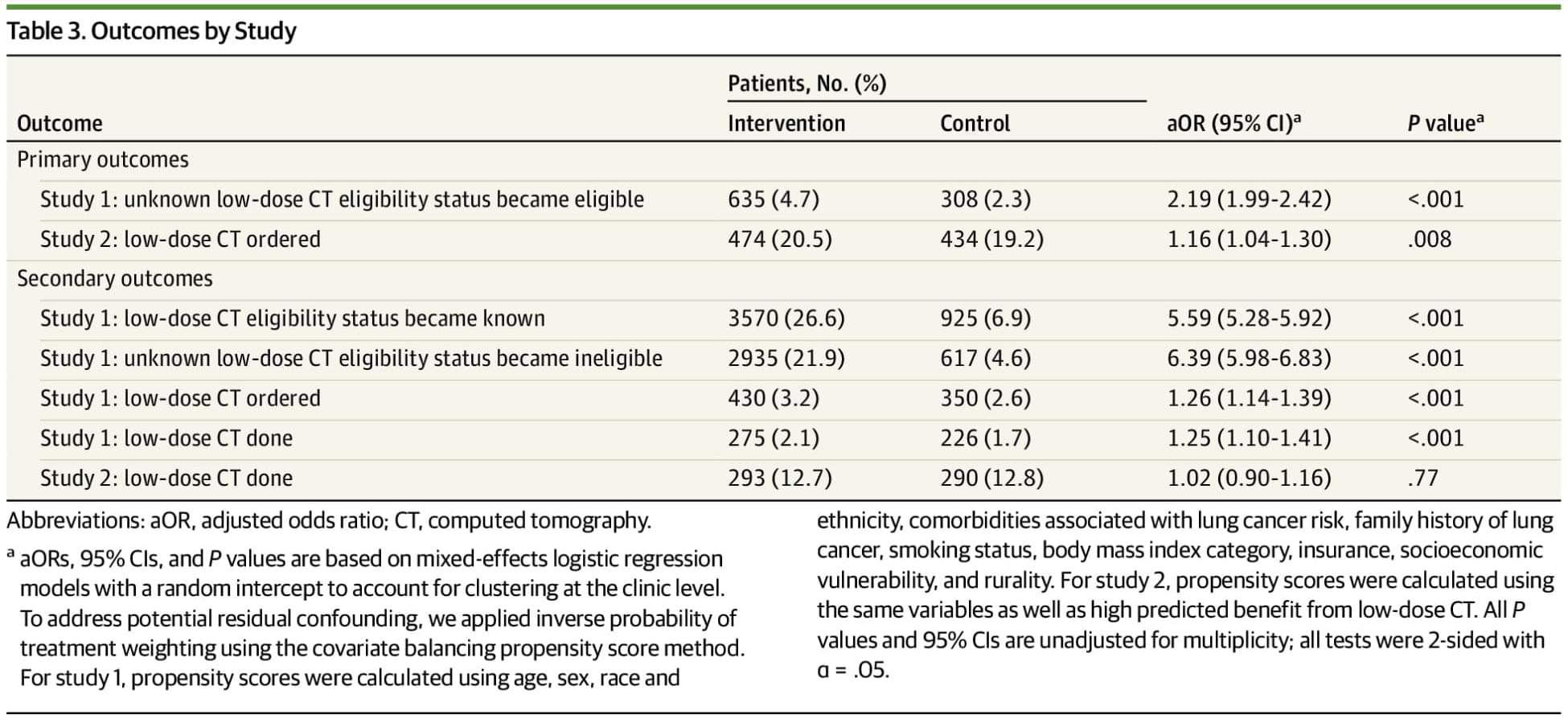
Question Does adding a patient-facing, electronic health record (EHR)–integrated tool to a clinician-facing clinical decision support system improve the identification and ordering of lung cancer screening?

Findings In this randomized clinical trial of 31 303 adults aged 50 to 79 years with uncertain or documented eligibility for lung cancer screening, the EHR-integrated tool significantly increased the identification of screening-eligible patients and the ordering of low-dose computed tomography lung cancer screening.

Meaning Combining patient-facing and clinician-facing decision support in primary care may enhance lung cancer screening by improving eligibility identification and computed tomography scan ordering.

Clinical Implications of Left Atrial and Ventricular Reverse Remodeling After Atrial Fibrillation Ablation in Patients With Systolic Dysfunction

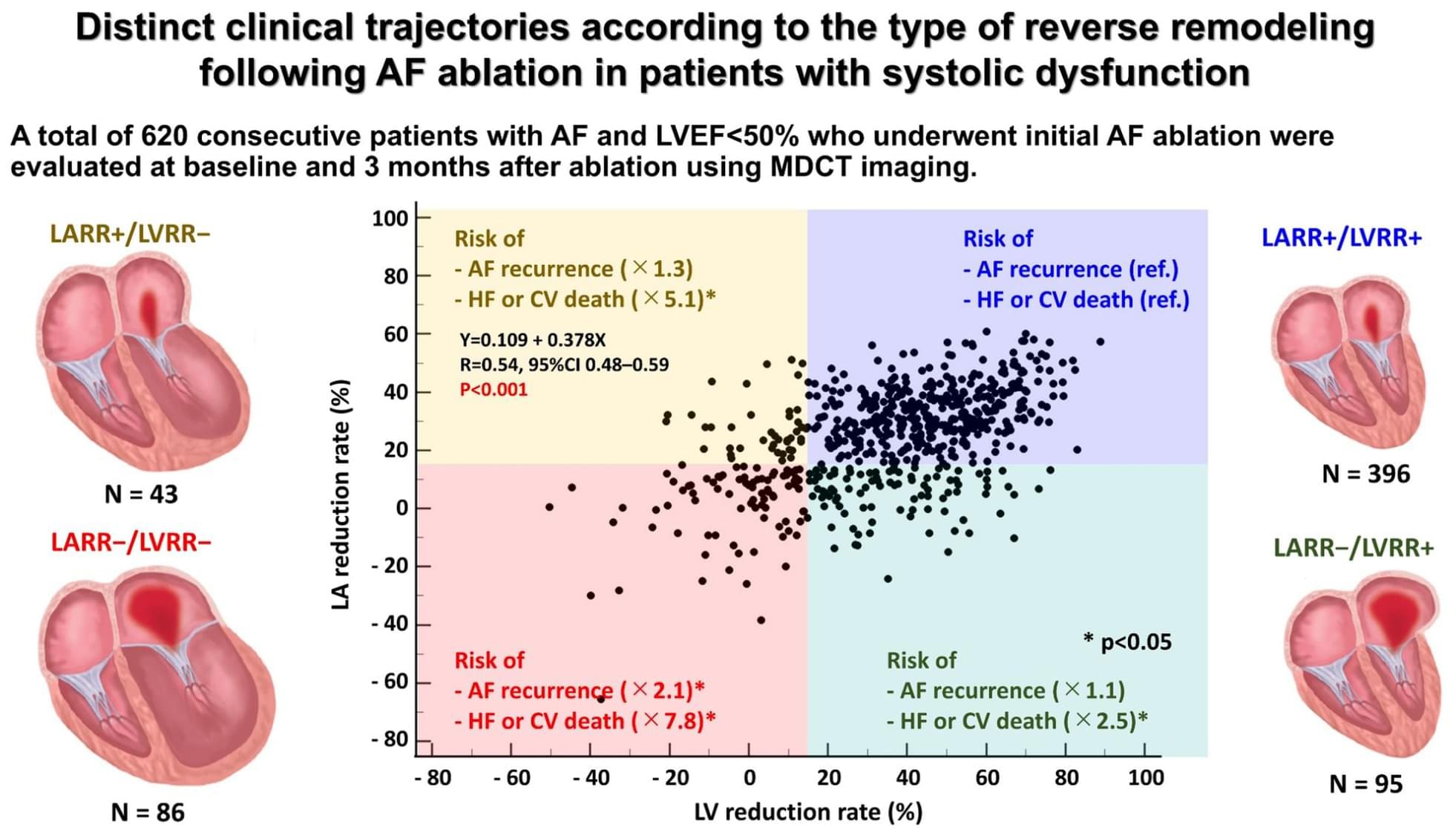
AFib ablation promotes LA/LV reverse remodeling.

Read this study about how combined assessment better stratifies distinct trajectories in systolic dysfunction. @MasatoOkada1105


BackgroundCatheter ablation of atrial fibrillation (AF) is an effective treatment to achieve left atrial (LA) and left ventricular (LV) reverse remodeling in patients with systolic dysfunction. However, the relationship between LA and LV reverse remodeling (LARR and LVRR) and their clinical implications remains unclear.

Liquid Crystal Monomers Released from LCD Displays Accumulate in Endangered Marine Cetaceans Triggering Health Concerns

Liquid crystal monomers (LCMs), critical substances of liquid crystal displays in consumer electronics, are persistent pollutants, posing potential threats to marine ecosystems. Despite their bioaccumulative potential, their occurrence and possible biological impacts on marine megafauna remain understudied. We investigated LCM occurrence in Indo-Pacific humpback dolphins (Sousa chinensis) and finless porpoises (Neophocaena phocaenoides) collected from the South China Sea (2007–2021) and assessed their toxicity through in vitro assays using established dolphin cell lines. By employing robust source-tracing methodologies, we provide the first evidence that LCMs from household electronics and coastal e-waste accumulate in cetacean tissues, including blubber, muscle, and, critically, brain tissues, demonstrating blood–brain barrier penetration, a previously undocumented phenomenon of LCMs in mammalian wildlife. The temporal trend of LCM burden in porpoise blubber is correlated with shifts in global liquid crystal display production. Transcriptomic profiling revealed LCM-induced DNA damage, cell cycle arrest, and impaired cell division in cetacean cells. These findings suggest that LCMs may pose potential risks to the nervous system and other organs of marine mammals, warranting further investigation into their toxicological effects and possible implications for human health. By bridging critical gaps among everyday electronics, LCM contamination, and marine conservation, this study highlights the need for urgent regulatory actions and improved e-waste governance to mitigate ecological and public health risks.

Promoters and enhancers: Tool catches gene-controlling DNA sequences doing each other’s jobs

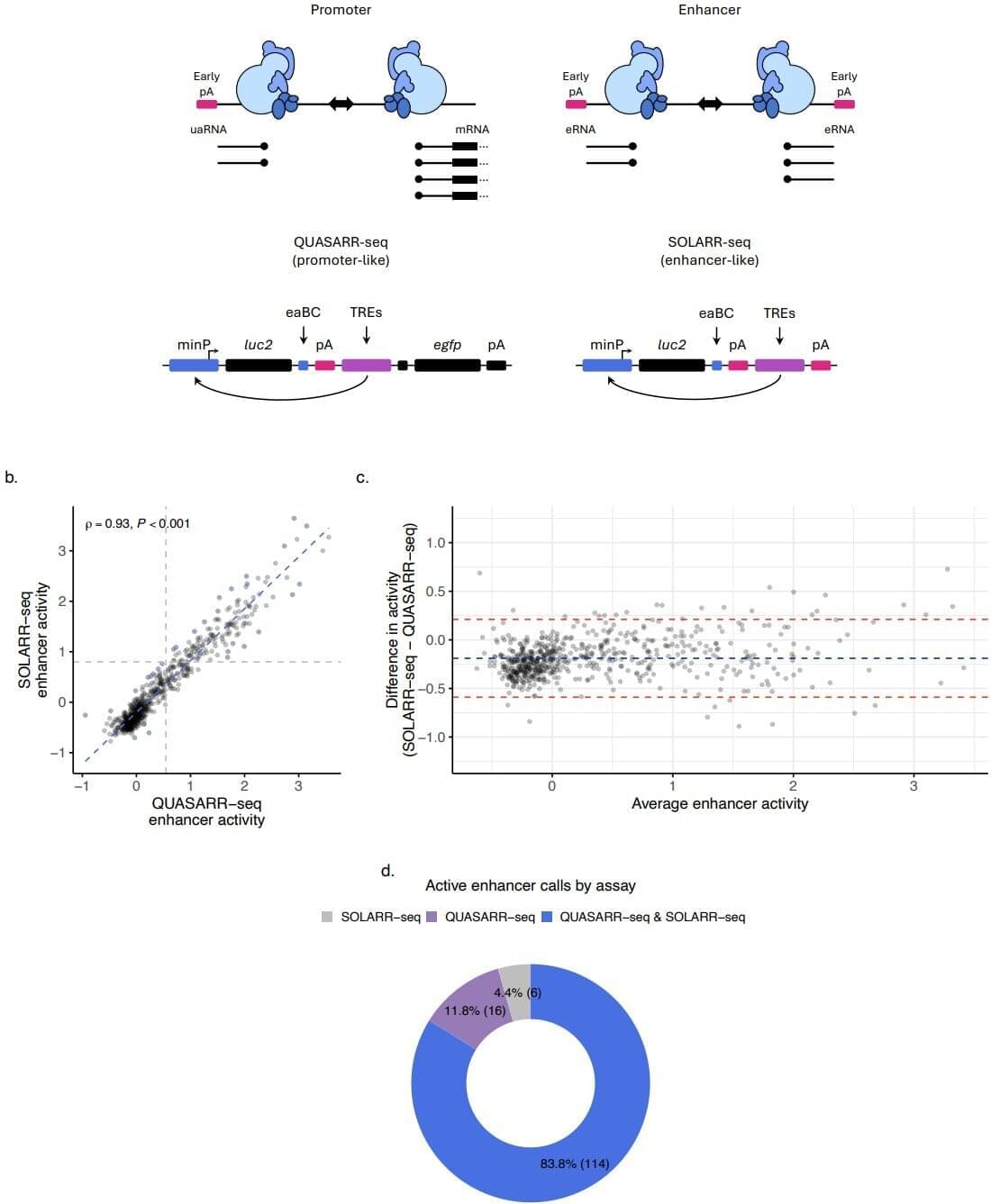
Researchers at the Weill Institute for Cell and Molecular Biology have uncovered new evidence that two major types of gene-controlling DNA sequences, promoters and enhancers, operate with a shared logic and often perform the same jobs. The finding, made possible through a high-throughput assay they developed called QUASARR-seq, could reshape how scientists design gene therapies, interpret disease-related mutations, and understand cancer genetics.

New research from the lab of Haiyuan Yu, Tisch University Professor of Computational Biology at Cornell University’s College of Agriculture and Life Sciences (CALS) and faculty at the Weill Institute, reveals that drawing a distinction between the two classes gene controllers may be too black and white—they seem to respond to the same biological rules and act in concert.

In a study published in Nature Communications on Jan. 30 and led by Mauricio Paramo, a graduate student at the Weill Institute, the team developed a technology capable of measuring an element’s promoter and enhancer activity simultaneously, in close collaboration with the lab of John Lis, Barbara McClintock Professor of Molecular Biology & Genetics. This is significant because, until now, most technologies could measure only one function at a time, leaving open the question of whether—and how—the two activities interact inside the same DNA sequence.
How a common fungus outsmarts drugs and our immune system

Our bodies are home to millions of fungi that, for the most part, are completely harmless. However, they can sometimes change from peaceful residents into dangerous invaders. One such is Candida parapsilosis, which normally lives on our skin or in our intestinal tract but can also be found on medical devices and hospital surfaces. If it gets into a wound or onto a catheter, it can cause a serious blood infection.

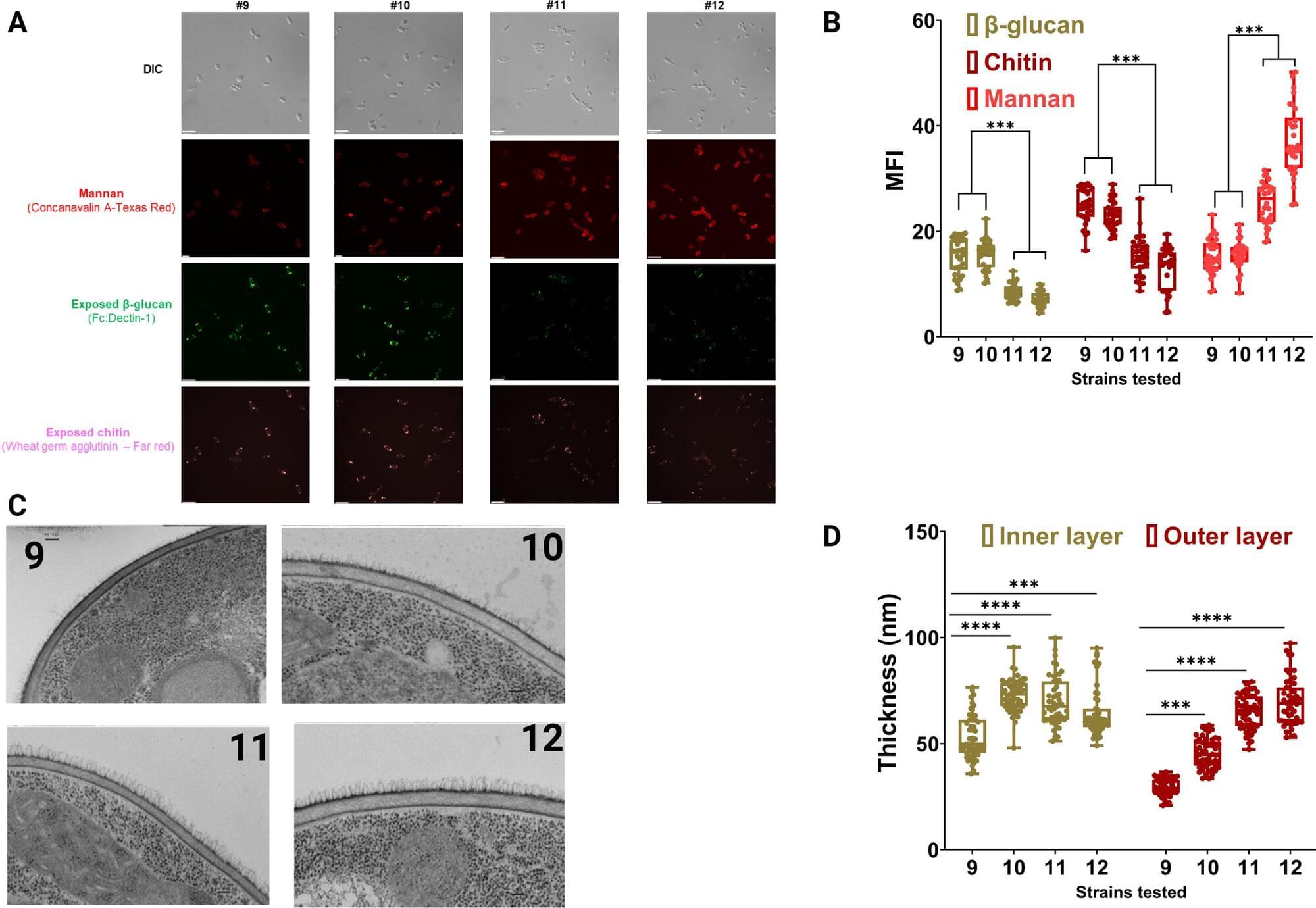
Treatments typically include a class of medicines called echinocandins, but the fungus is increasingly developing resistance to them. In a new study published in the journal Microbiology Spectrum, scientists describe how it can resist our strongest drugs and evade the immune system—by undergoing cell wall remodeling.

The researchers collected four separate samples of the fungus at different stages of a persistent blood infection. They were taken from a patient who was undergoing treatment with echinocandins but was failing to get better.

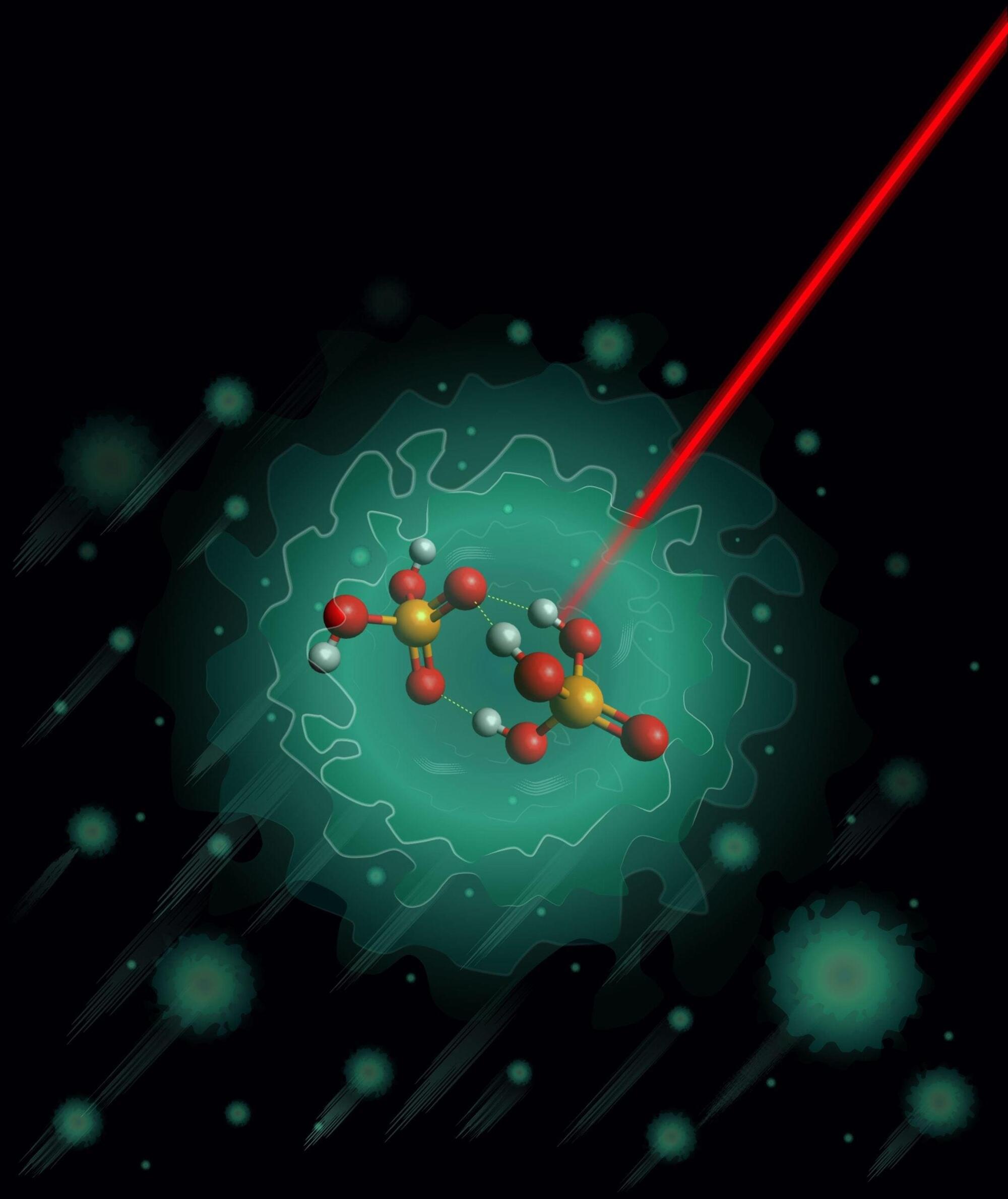
Scientists Uncover the Secret Structure Behind “Nature’s Proton Highway”

Phosphoric acid is vital in both biology and modern technology because of its exceptional ability to move electrical charge. Inside the human body and in devices such as fuel cells, this small molecule helps drive essential chemical reactions.

Scientists at the Department of Molecular Physics at the Fritz Haber Institute have now uncovered new details about how it performs this task at the molecular level.

AI Finds Life Shortening Hormone Disorder Using Only Hand Photos

A privacy-first AI can diagnose a life-shortening hormone disorder—just from a photo of your hand.

Researchers at Kobe University have developed an artificial intelligence system that can identify a rare endocrine disorder by examining photos of the back of a person’s hand and their clenched fist. By avoiding facial images, the approach was designed with privacy in mind. The team believes this tool could help doctors refer patients to specialists more efficiently and help narrow gaps in access to care.

Acromegaly and Delayed Diagnosis.

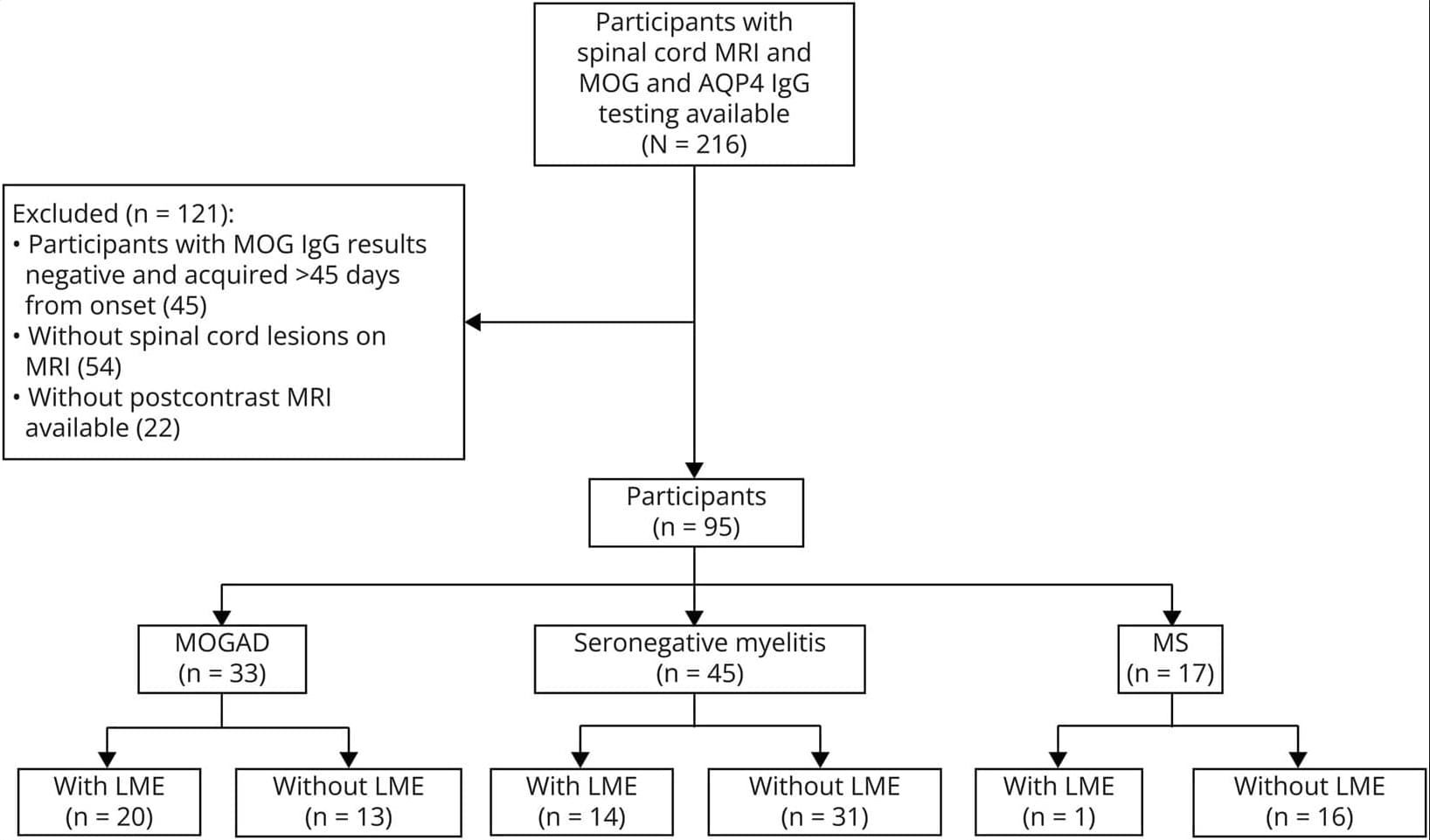
Spinal Cord Leptomeningeal Enhancement as a Marker of Extensive Spinal Cord Involvement in Children With MOGAD

This study characterizes the clinical, imaging, and biological features of myelitis associated with spinal cord leptomeningeal enhancement in children with MOGAD and seronegative myelitis.


Background and Objectives.

/* */