Toggle light / dark theme

Why Earth-like worlds might be rare

Dr. Craig Walton: “This makes searching for life on other planets a lot more specific. We should look for solar systems with stars that resemble our own Sun.”


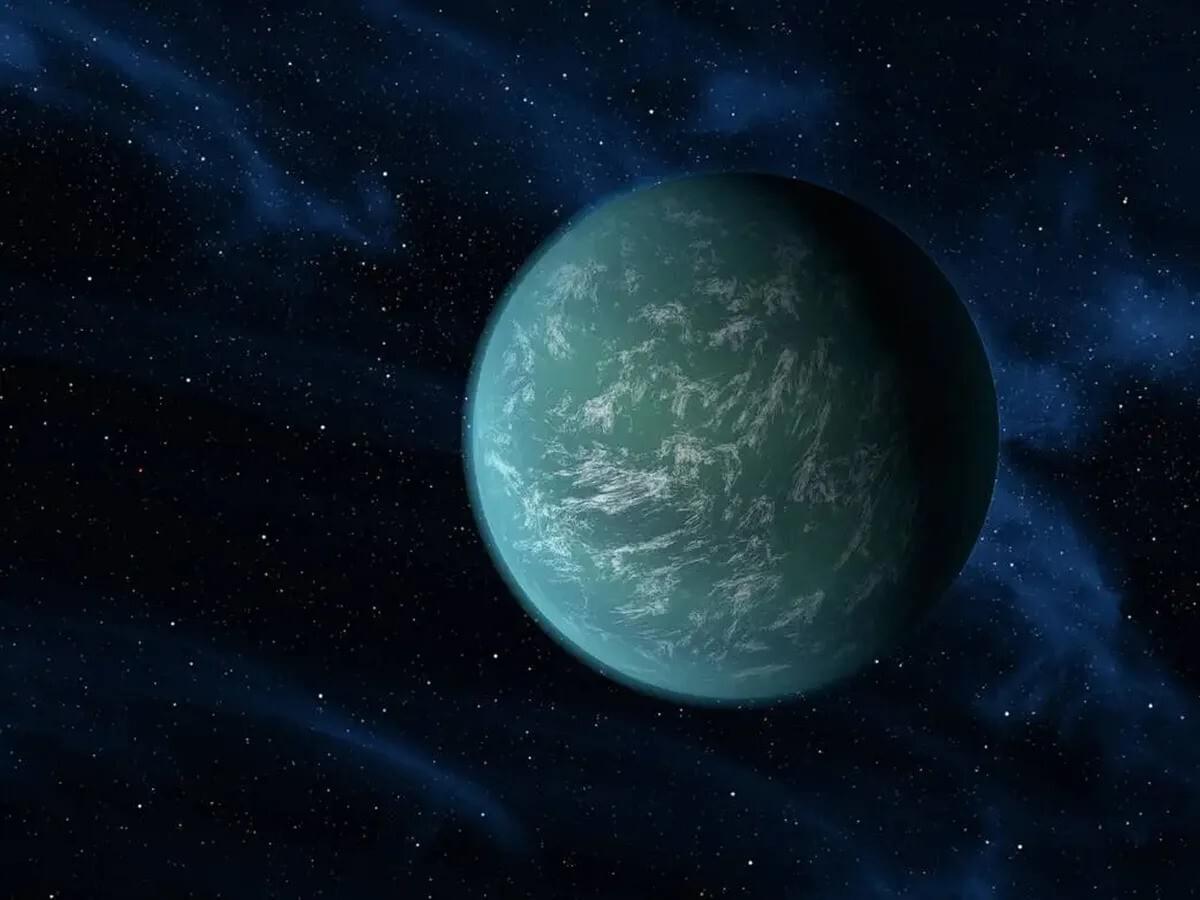
How common are Earth-like worlds beyond our solar system? This is what a recent study published in Nature Astronomy hopes to address as an international team of scientists unveiled new evidence that Earth-like worlds might be rarer than previously thought. This study has the potential to help scientists better understand the formation and evolution of Earth-like worlds and what this could mean for finding life beyond Earth.

For the study, the researchers used a series of computer models to simulate the formation of the interiors of potential Earth-like worlds, specifically focusing on planetary interior formation. This is because the researchers note how nitrogen and phosphorus are essential for the formation of habitable worlds, and the planetary mantle, the layer just beneath the planetary crust, is where they are formed and exist.

In the end, the researchers found that the right amount of oxygen needs to be present within the mantle for nitrogen and phosphorus to form. They note while Earth has these conditions, worlds with less oxygen in their mantle could limit the ability of nitrogen and phosphorus to form, resulting in non-habitable worlds.
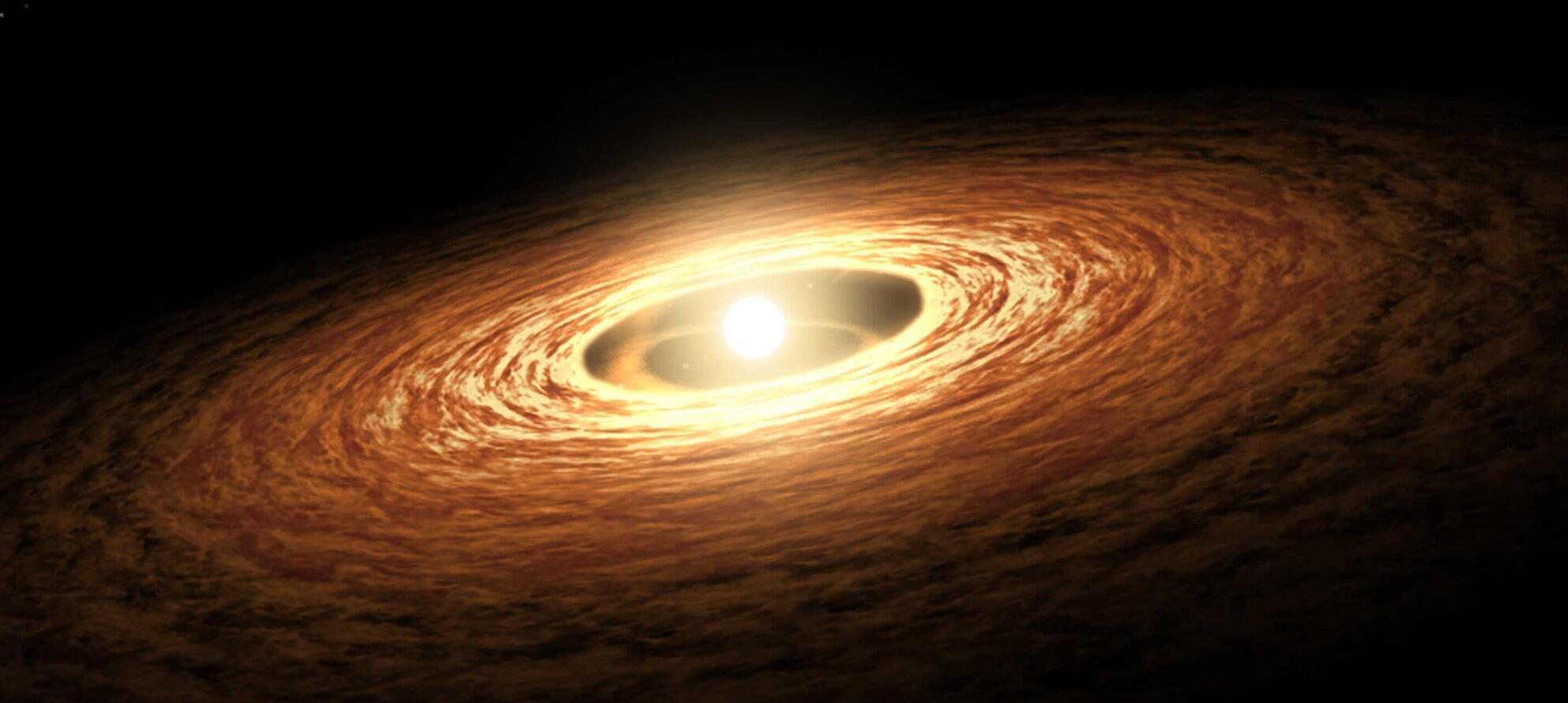
Why only a small number of planets are suitable for life

For life to develop on a planet, certain chemical elements are needed in sufficient quantities. Phosphorus and nitrogen are essential. Phosphorus is vital for the formation of DNA and RNA, which store and transmit genetic information, and for the energy balance of cells. Nitrogen is an essential component of proteins, which are needed for the formation, structure, and function of cells. Without these two elements, no life can develop out of lifeless matter.

A study led by Craig Walton, postdoc at the Center for Origin and Prevalence of Life at ETH Zurich, and ETH professor Maria Schönbächler has now shown that there must be sufficient phosphorus and nitrogen present when a planet’s core is formed. The study is published in Nature Astronomy.

“During the formation of a planet’s core, there needs to be exactly the right amount of oxygen present so that phosphorus and nitrogen can remain on the surface of the planet,” explains Walton, lead author of the study. This was exactly the case with Earth around 4.6 billion years ago—a stroke of chemical good fortune in the universe. This finding may affect how scientists search for life elsewhere in the universe.

Why the Multiverse Is Real | Leonard Susskind

The multiverse is often dismissed as speculation — a science-fiction idea with no place in serious physics. But for many theoretical physicists, the multiverse is not a fantasy. It is a conclusion.

In this video, we explore why the multiverse may be real.

This is not an argument based on imagination or popularity. It is based on what happens when modern physics is taken seriously. Well-tested ideas like cosmic inflation, quantum mechanics, and high-energy theory naturally lead to a picture in which our universe is not unique.

Drawing on ideas associated with Leonard Susskind, this documentary explains how the multiverse emerges as a consequence, not as an assumption. In inflationary models, different regions of space stop inflating at different times, producing universes with different properties. In theories with many possible vacuum states, the laws of physics themselves can vary from one region to another.

This framework helps explain one of the deepest puzzles in physics: fine-tuning. The constants of nature appear precisely adjusted for the existence of complex structures and life. In a single-universe picture, this looks mysterious. In a multiverse, it becomes a selection effect — we observe this universe because only certain universes can be observed at all.

The multiverse raises uncomfortable questions. It challenges prediction, explanation, and even the traditional goals of science. But discomfort is not a reason to reject a theory. If the multiverse is real, physics must adapt.

JWST uncovers rich organic chemistry in a nearby ultra-luminous infrared galaxy

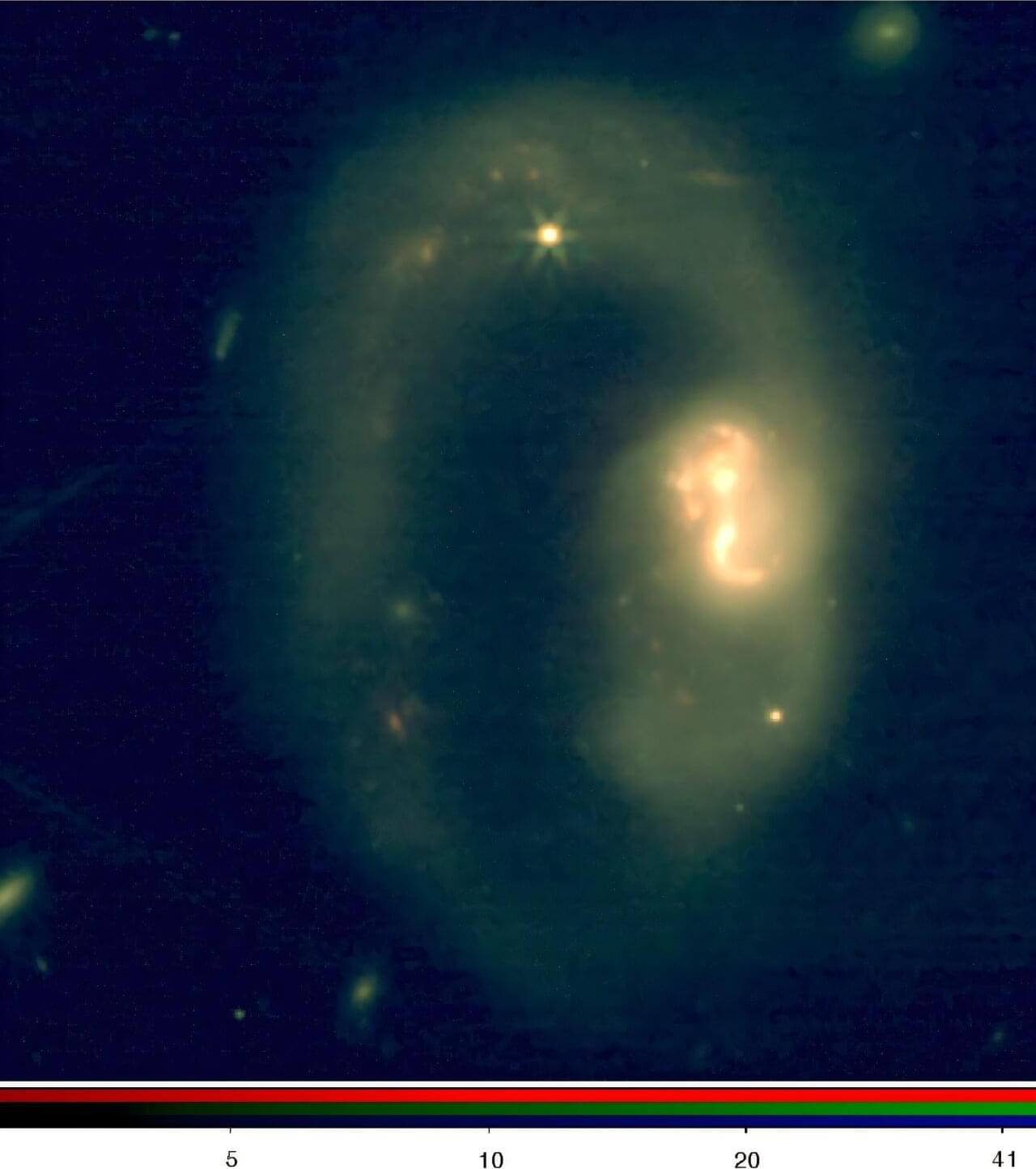
A study led by the Center for Astrobiology (CAB), CSIC-INTA, using modeling techniques developed at the University of Oxford, has uncovered an unprecedented richness of small organic molecules in the deeply obscured nucleus of a nearby galaxy, thanks to observations made with the James Webb Space Telescope (JWST).

The work, published in Nature Astronomy, provides new insights into how complex organic molecules and carbon are processed in some of the most extreme environments in the universe.

The study focuses on IRAS 07251–0248, an ultra-luminous infrared galaxy whose nucleus is hidden behind vast amounts of gas and dust. This material absorbs most of the radiation emitted by the central supermassive black hole, making it extremely difficult to study with conventional telescopes.

20 Beings That Existed Before The Universe

What if the universe wasn’t the beginning? Long before the Big Bang, before the first stars ignited, and before time even had a direction, there were entities already lurking in the void.

Tonight, we’re diving into 20 beings that existed before the universe itself. From cosmic architects who engineered life in the stars to \.

Why Planets Around Two Suns Are Surprisingly Uncommon

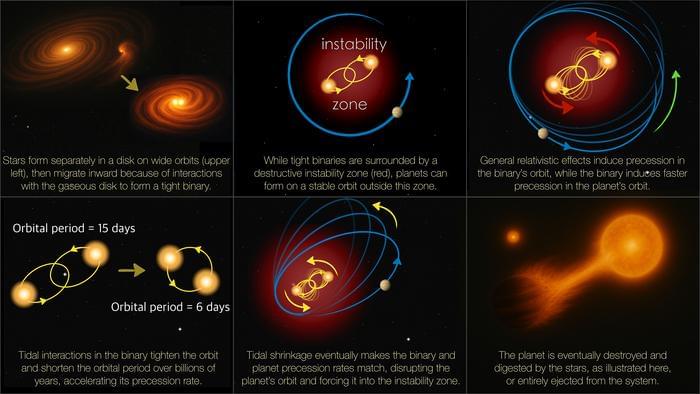
“Two things can happen: Either the planet gets very, very close to the binary, suffering tidal disruption or being engulfed by one of the stars, or its orbit gets significantly perturbed by the binary to be eventually ejected from the system,” said Dr. Mohammad Farhat.


Why is it so rare to find exoplanets orbiting two stars, also called circumbinary planets (CBPs)? This is what a recent study published in The Astrophysical Journal Letters hopes to address as a team of researchers investigated the celestial processes responsible for the formation and evolution of CBPs. This study has the potential to help scientists better understand solar system and planetary formation and evolution, which could narrow the search for life beyond Earth.

For the study, the researchers used a combination of computer models and Einstein’s theory of relativity to simulate the formation and evolution of CBPs. For example, the researchers explored the interaction between the CBP and its binary star, resulting in one of three outcomes: stable orbit, ejection, or consumption by the binary star. The reason Einstein’s theory of relativity was used as part of the study was because it calls for objects to have their orbit perturbed the closer they orbit to a larger object, like a star.

A common example that’s used for the theory is of a trampoline with objects falling inward when a large body is in the middle of it. Essentially, stars have “instability zones” where planets get consumed if they orbit too close. In the case of CBPs, the astronomers found that of the 14 known CBPs out of more than 6,000 confirmed exoplanets, 12 orbit just beyond the instability zone and none of the 14 have orbits less than seven days. The researchers concluded that a common phenomenon in astronomy called the three-body problem is responsible for the lack of CBPs.

They Are Waiting for Us To Die: Aestivation Hypothesis

What if advanced civilizations aren’t absent—they’re just waiting? What if they looked at our universe, full of burning stars and abundant energy, and decided it’s too hot, too expensive, too wasteful to be awake? What if everyone else has gone into hibernation, sleeping through the entire age of stars, waiting trillions of years for the universe to cool? The Aestivation Hypothesis offers a stunning solution to the Fermi Paradox: intelligent civilizations aren’t missing—they’re deliberately dormant, conserving energy for a colder, more efficient future. We might be the only ones awake in a sleeping cosmos.

Over the next 80 minutes, we’ll explore one of the most patient answers to why we haven’t found aliens. From thermodynamic efficiency to cosmic hibernation, from automated watchers keeping vigil to the choice between experiencing now versus waiting for optimal conditions trillions of years ahead, we’ll examine why the rational strategy might be to sleep through our entire era. This changes everything about the Fermi Paradox, the Drake Equation, and what it means to be awake during the universe’s most “expensive” age.

CHAPTERS:

0:00 — Introduction: The Patience of Stars.

4:30 — The Fermi Paradox Once More.

8:20 — Introducing the Aestivation Hypothesis.

/* */